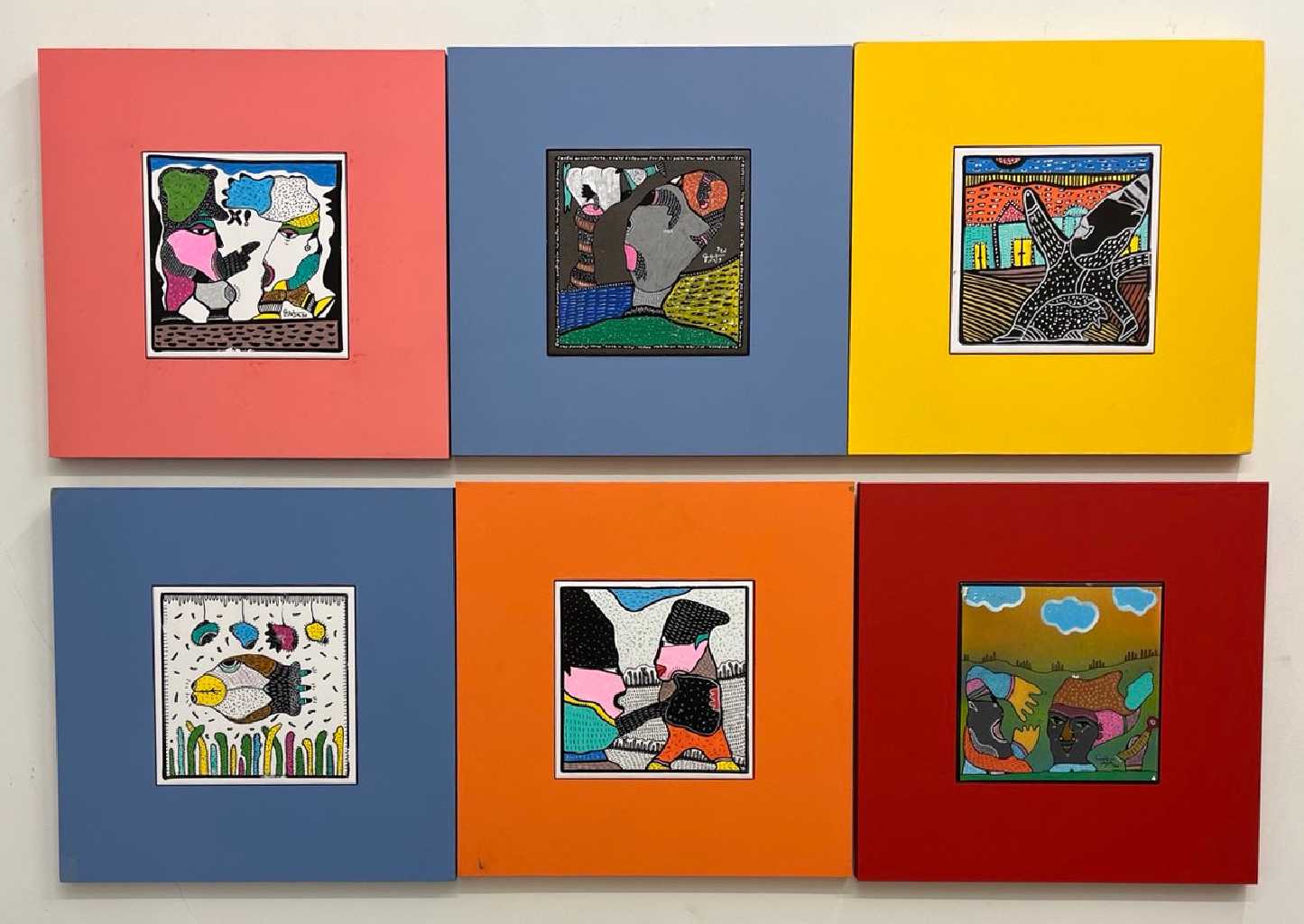
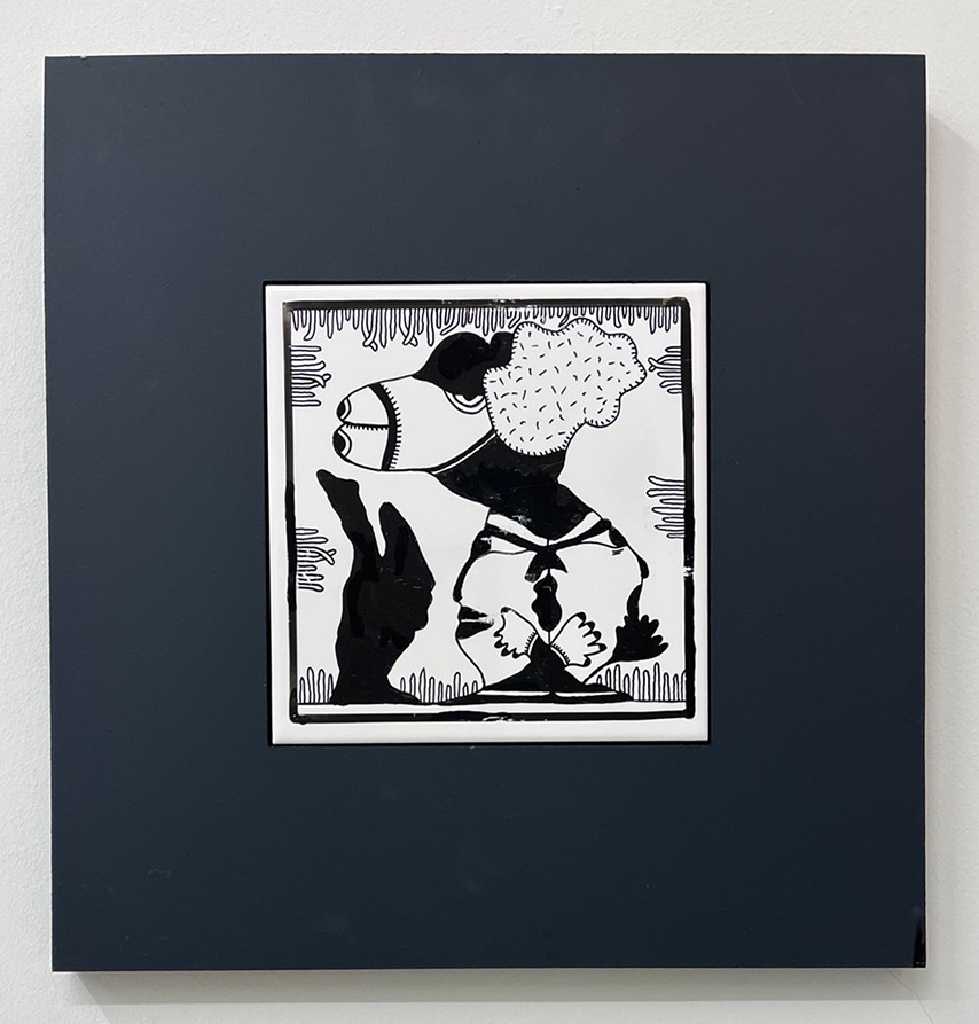
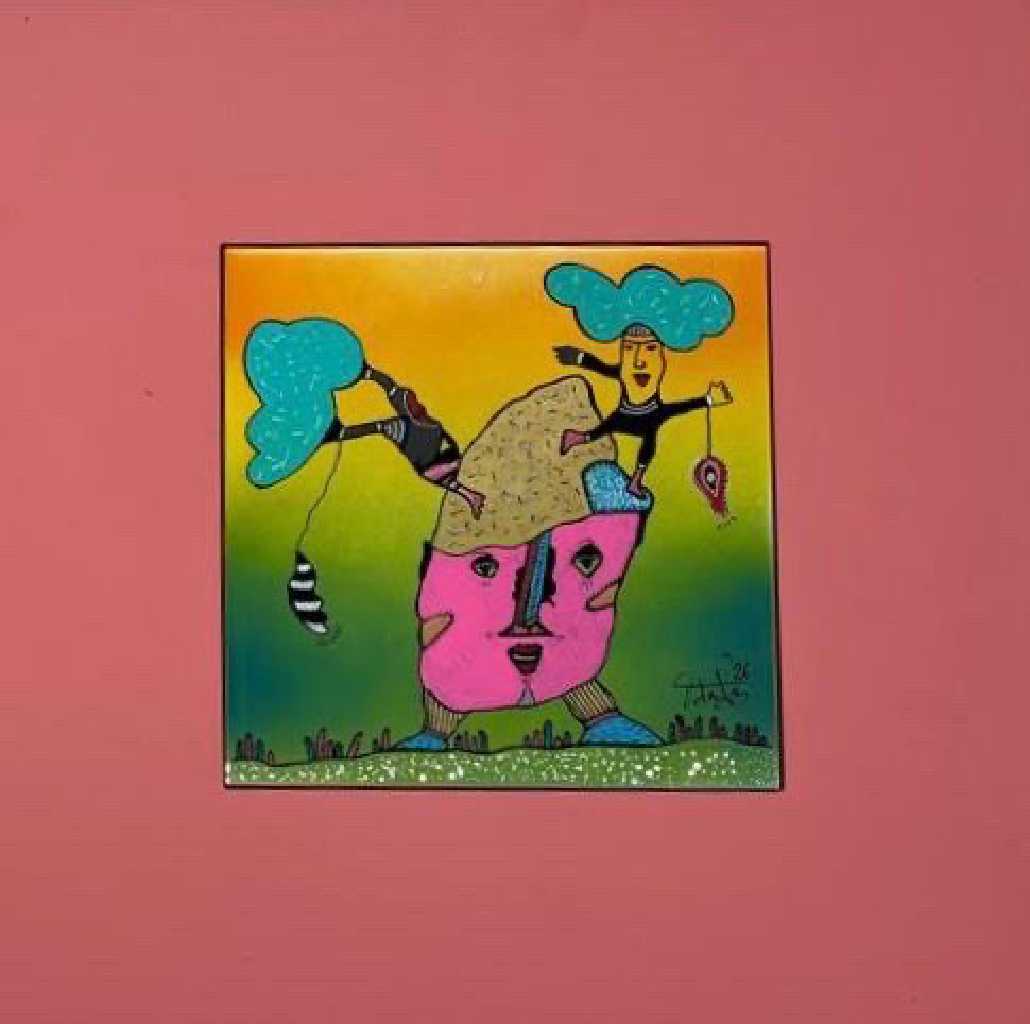
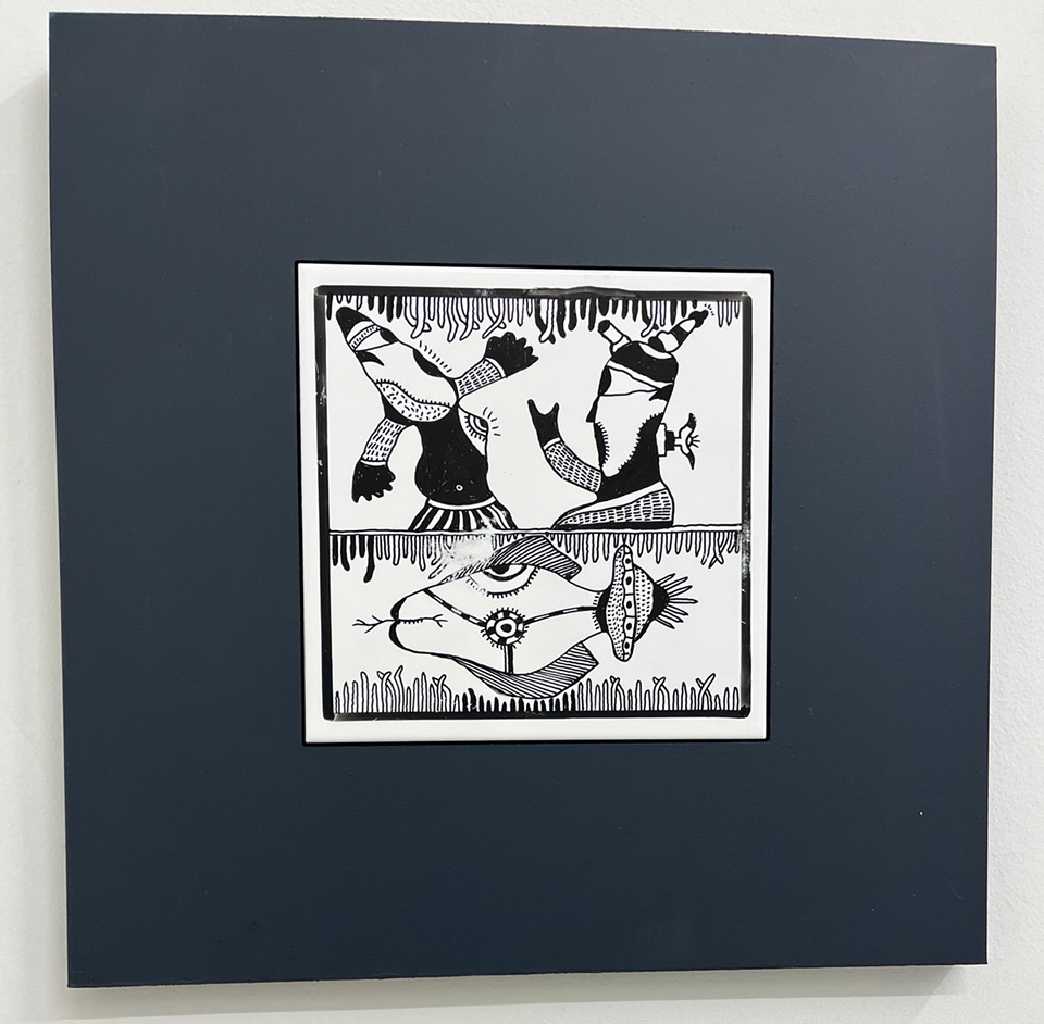
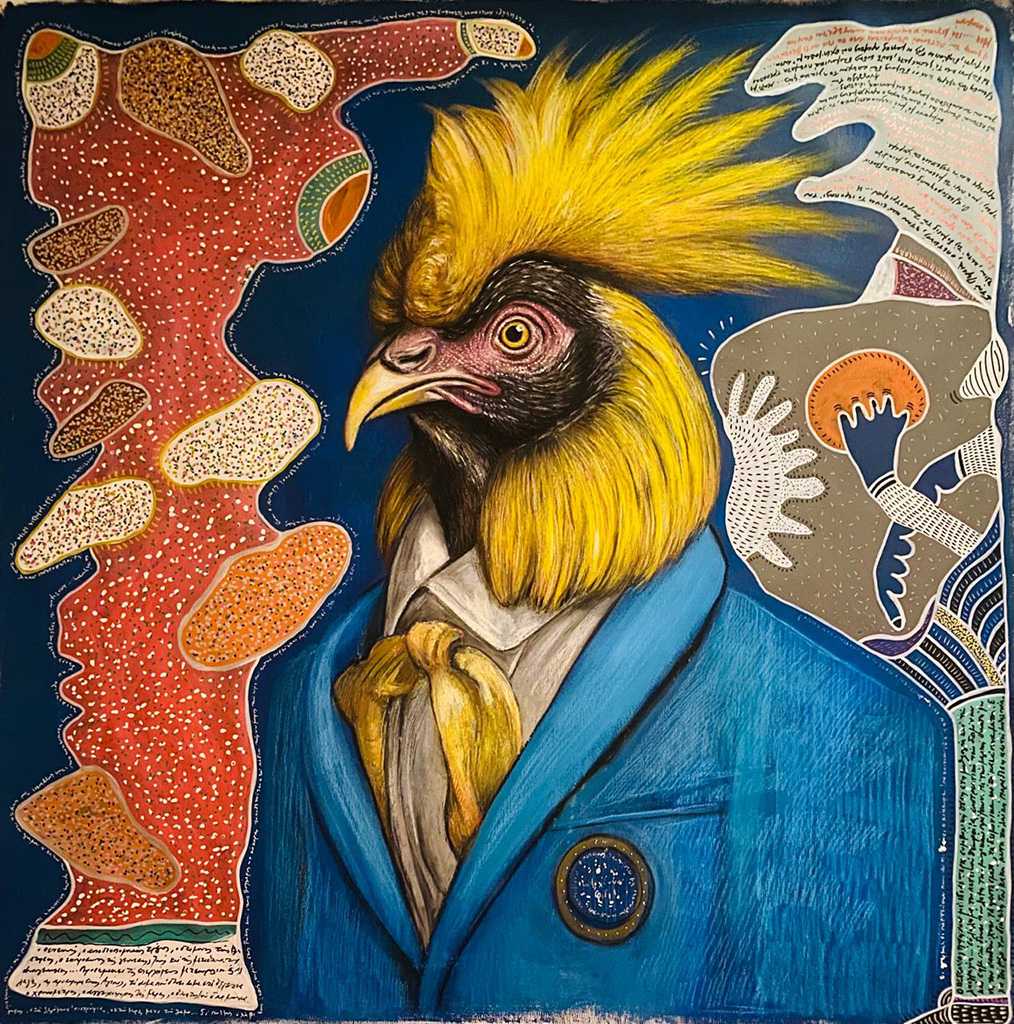
6 παραλλαγές ενός αθέατου κόσμου, mixed media, acrylics and acrylic markers, 45 × 45 cm
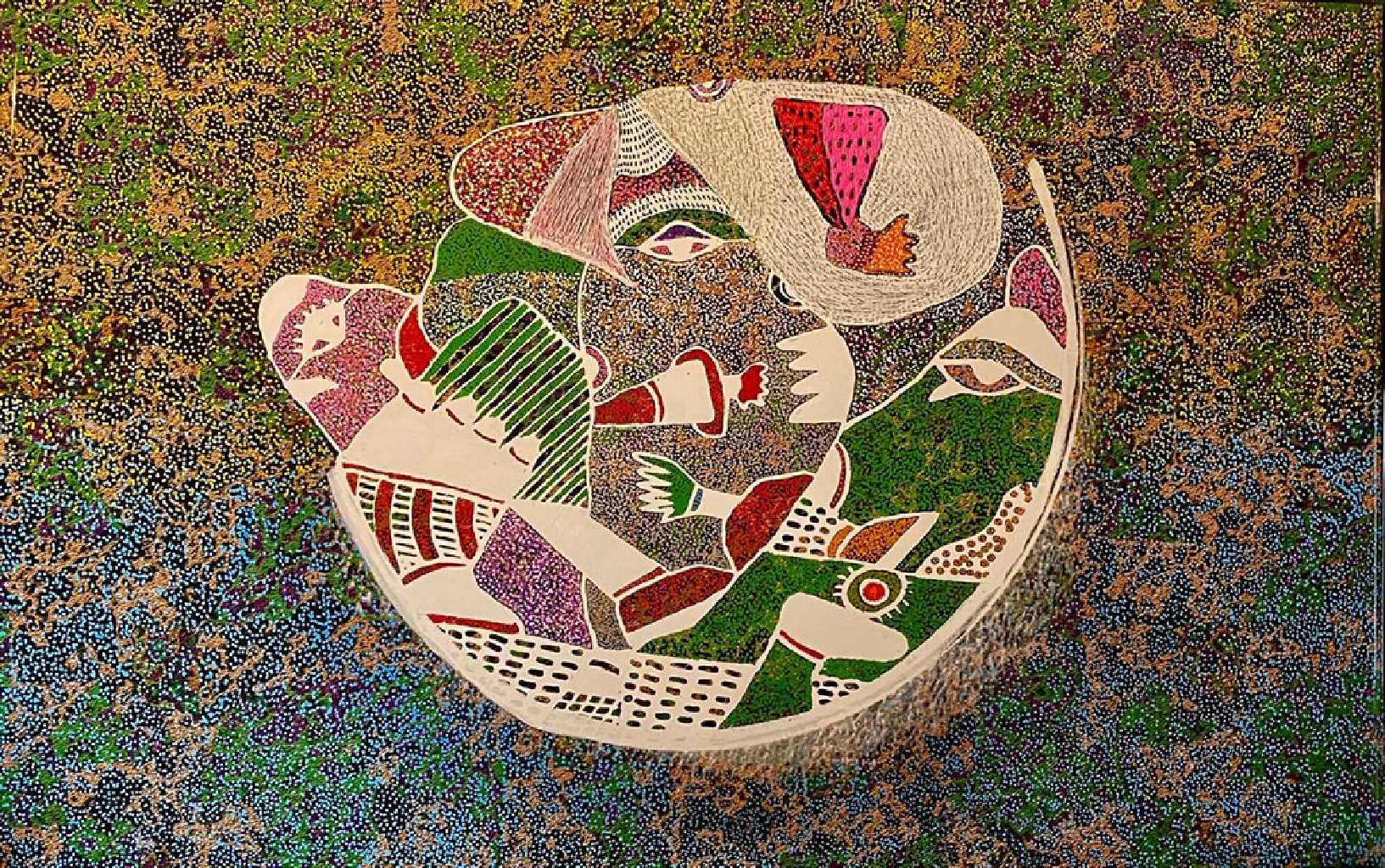
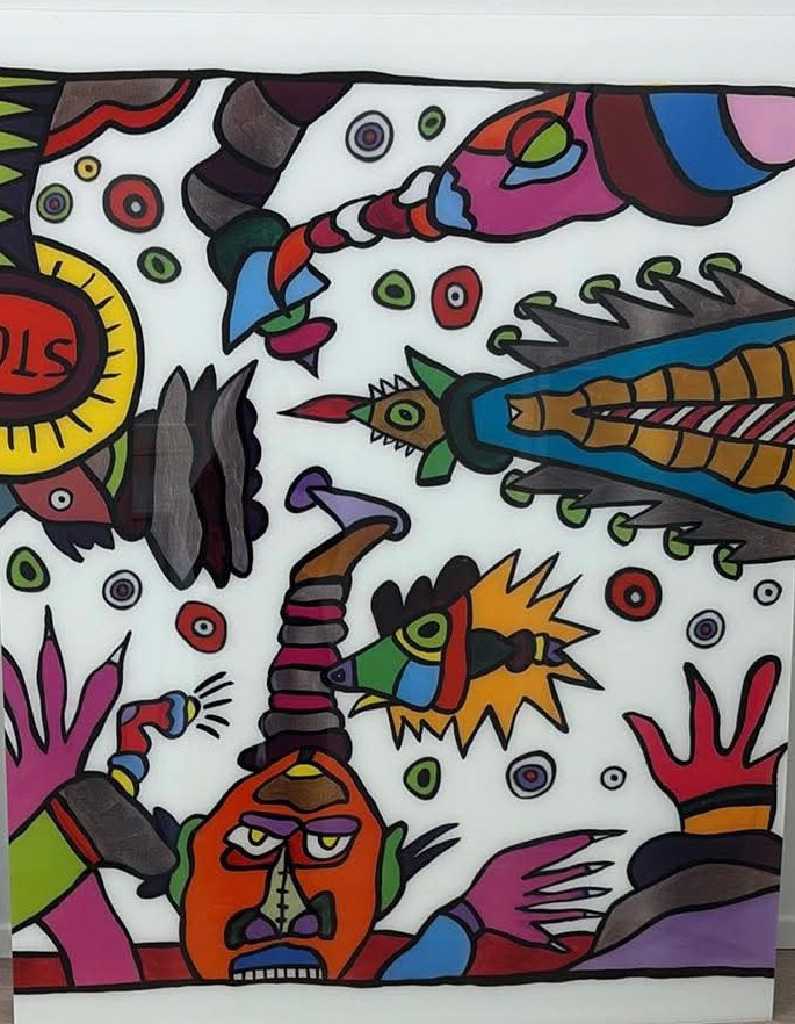
Forms meet, lines branch out, and colors and shapes seem to hold small stories. The works open pathways to what we feel, remember, or dream—even when we cannot always find the words to express them. Each image invites the viewer to wander and recognize, within the painter’s world, a part of their own.
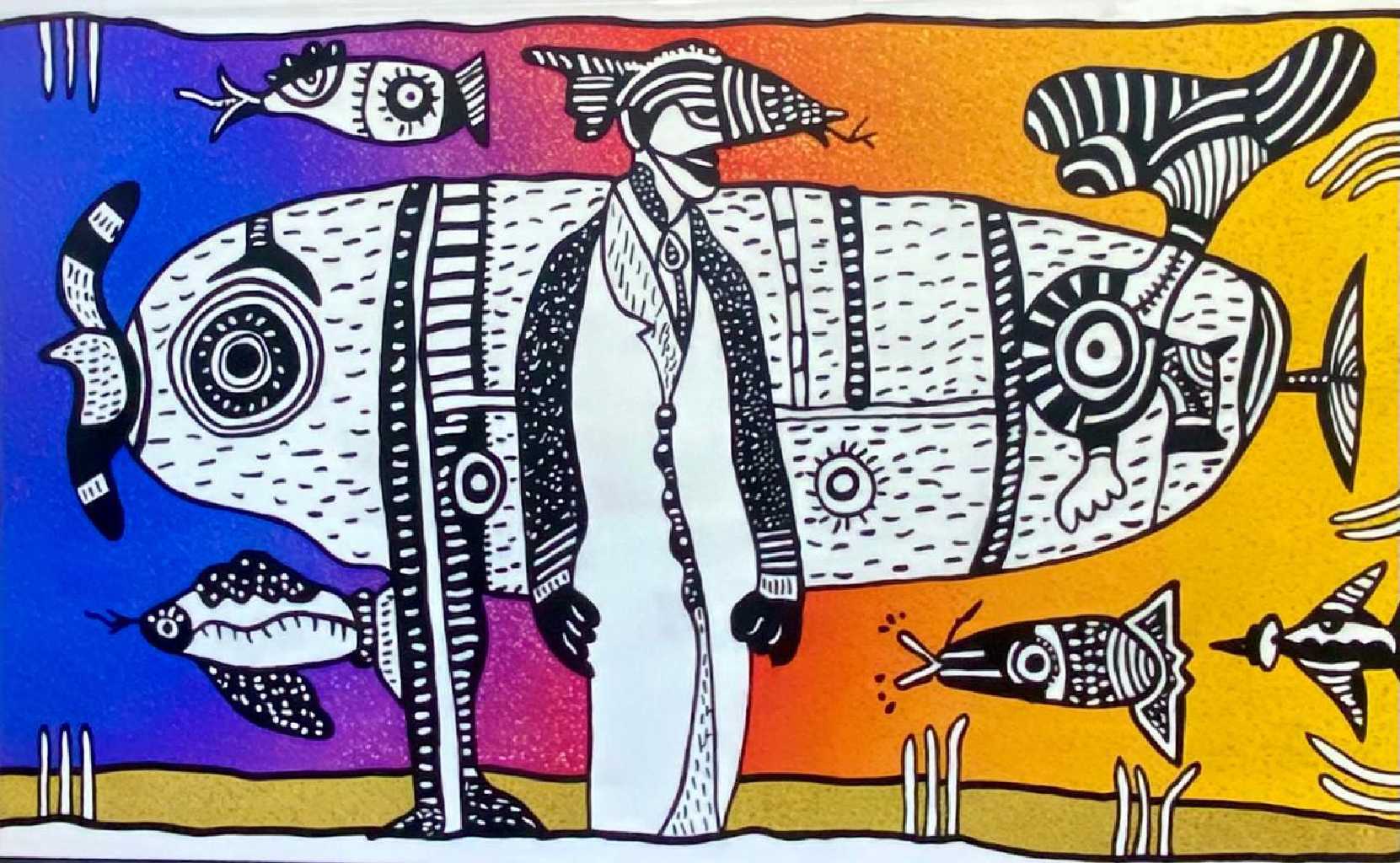
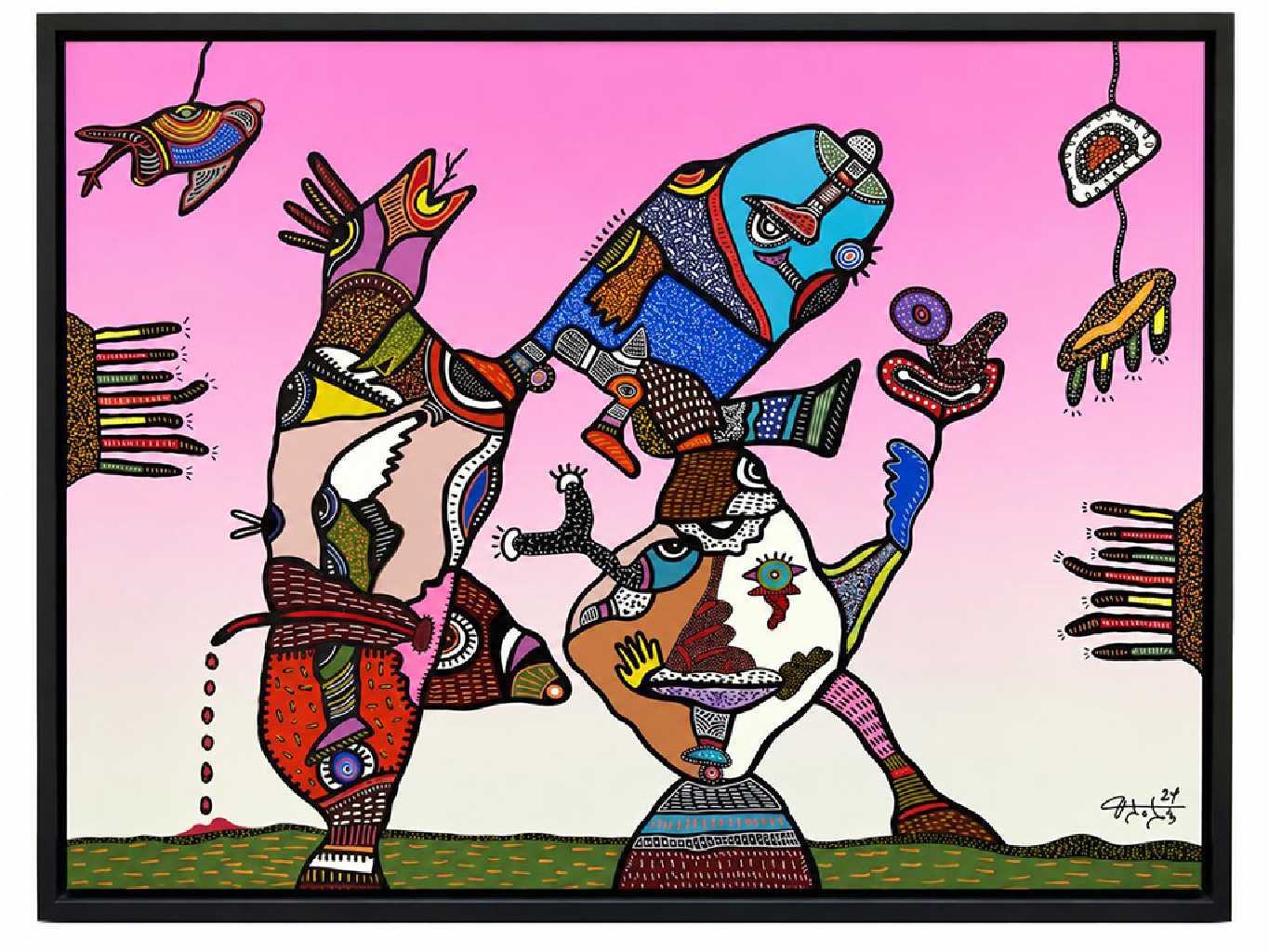
O Μάριος των βυθών, mixed media, acrylics and acrylic markers, 100 × 135 cm
One morning I went out for a walk without knowing where I was going. At the first turn, I came across a face I had forgotten. They were still holding onto that conversation we hadn’t had time to finish.
A little further on, a child was drawing a road. Every time he reached the edge of the paper, he added another sheet. I asked him where it led.
“I’ll see when I get there,” he told me.
I kept going. There were trees with eyes, birds carrying silences, and strange creatures that made room for me to pass. Some of them looked like my fears. Up close, though, they were smaller than I remembered.
When I grew tired, I sat down in a clearing. There I heard my own voice, free from the rush of the day.
On my way back, I wanted to map out the route so I wouldn’t lose my way. But instead of a map, a work of art emerged.
I still look at it. Every time, I find a path I hadn’t noticed before.
Thanasis Lalas
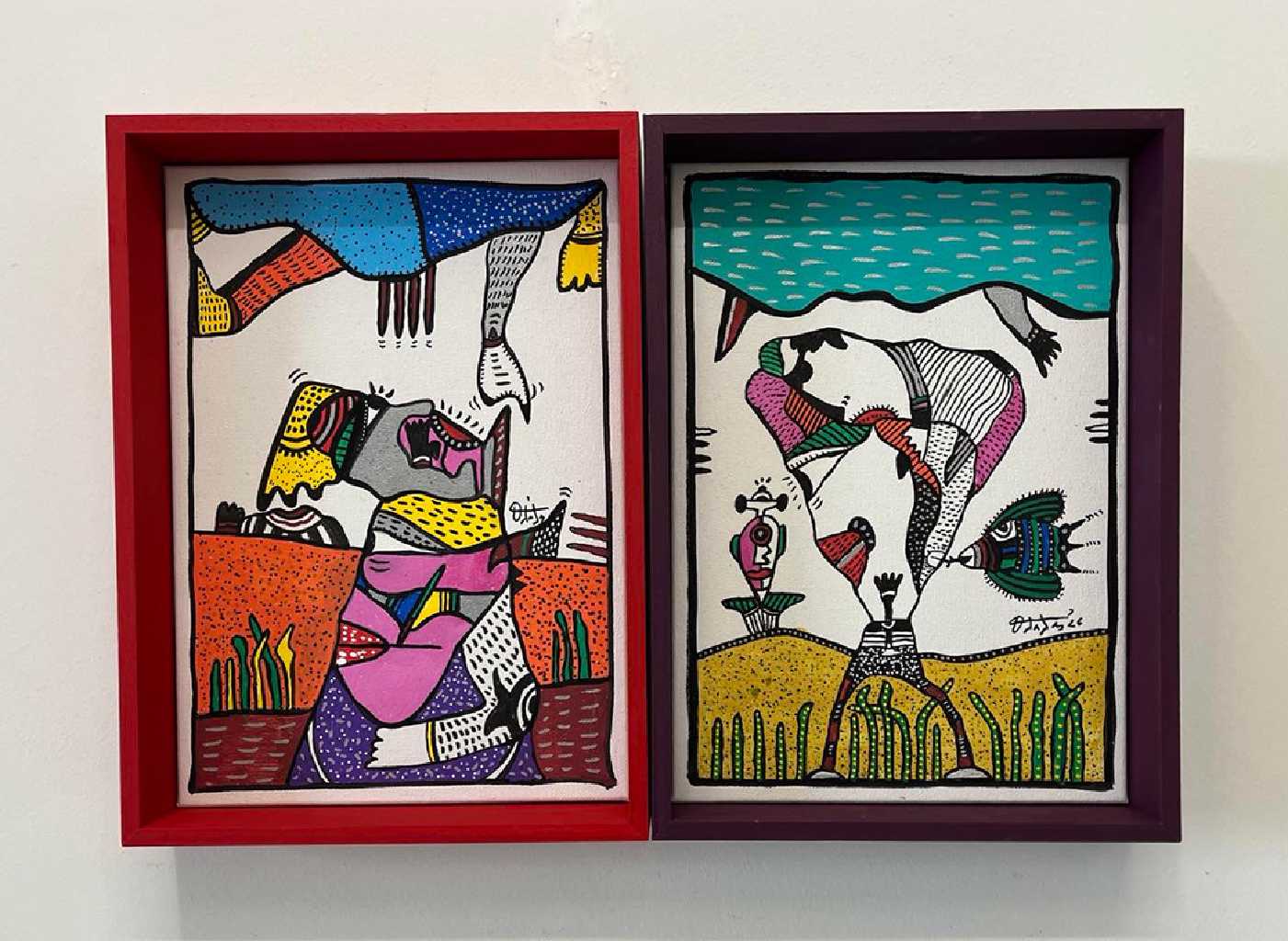
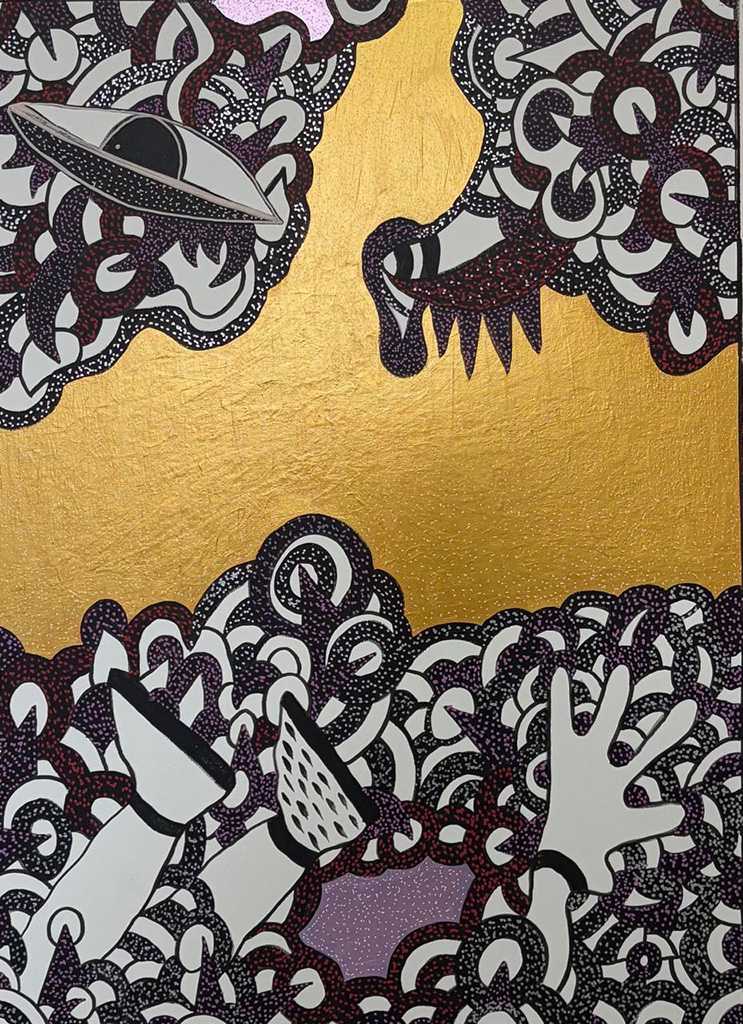
Εκεί που ο ουρανός απλώνει το χέρι, mixed media, acrylics and acrylic markers, 40 × 30 cm
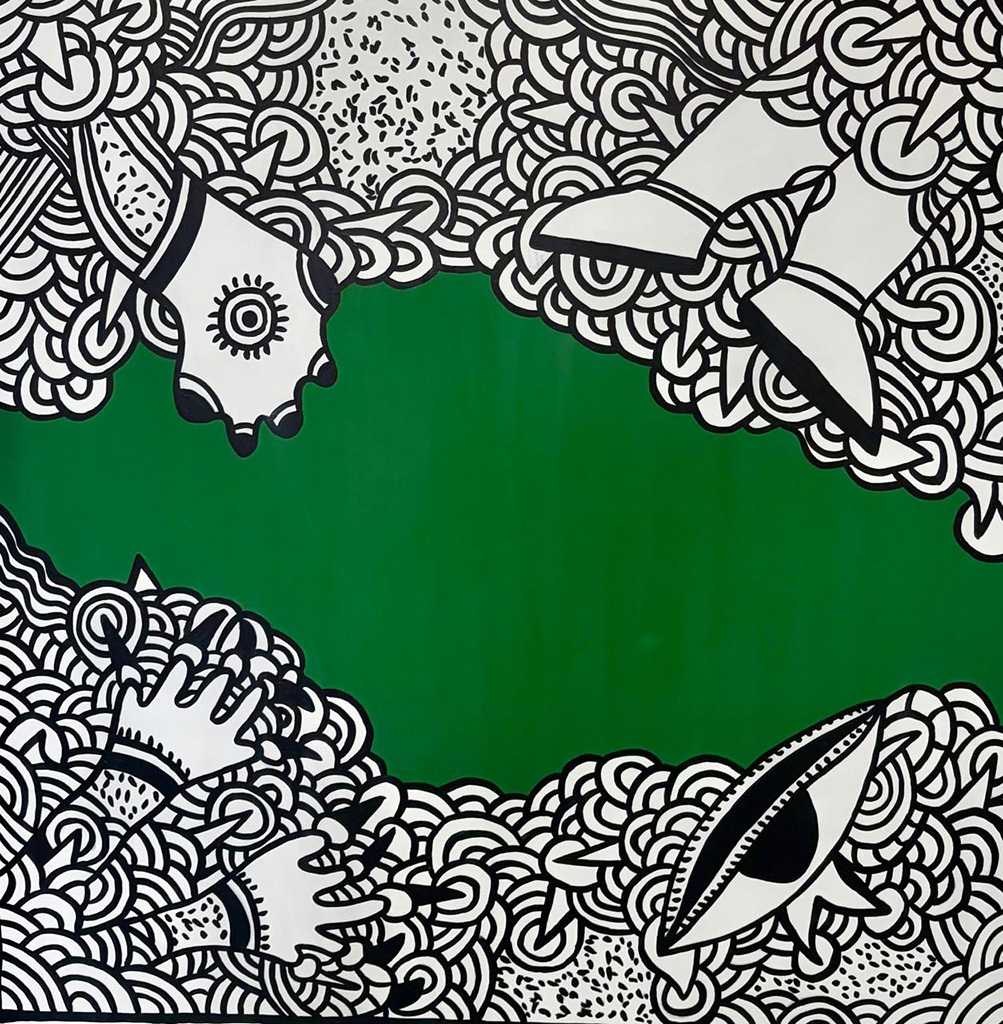
Ένας κήπος μέσα μας, mixed media, acrylics and acrylic markers, 100 × 100 cm
Ιστορίες του Φεγγαριού, mixed media, acrylics and acrylic markers, 100 × 150 cm
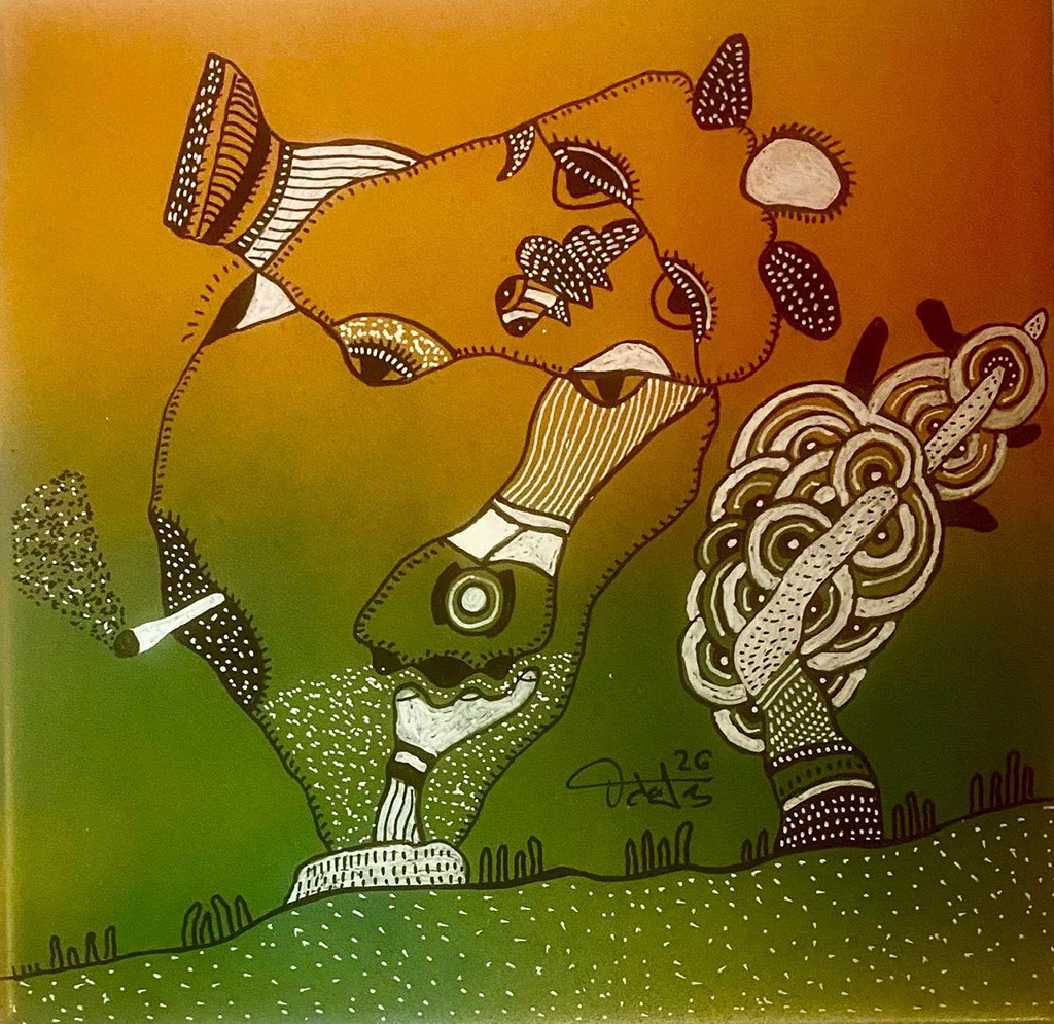
Ο άνθρωπος που άκουγε τα σύννεφα, mixed media, acrylics and acrylic markers, 45 × 45 cm
Ο άνθρωπος που φύτρωναν ιστορίες στο κεφάλι του, mixed media, acrylics and acrylic markers
Ο ουρανός κατέβηκε να παίξει, mixed media, acrylics and acrylic markers, 150 × 100 cm
Οι τιτάνες του εσωτερικού μας κόσμου, mixed media, acrylics and acrylic markers, 130 × 210 cm
Οι ψίθυροι ανάμεσα στα βλέμματα, mixed media, acrylics and acrylic markers, 100 × 75 cm
Όσα κολυμπούν κάτω από τα λόγια μας, mixed media, acrylics and acrylic markers, 45 × 45 cm
Πολυκατοικία ονείρων, mixed media, acrylics and acrylic markers, 150 × 100 cm
Τα χέρια που ξυπνούν τα όνειρα, mixed media, acrylics and acrylic markers, 100 × 75 cm
Το ζευγάρι των ανείπωτων ονείρων, mixed media, acrylics and acrylic markers, 100 × 130 cm
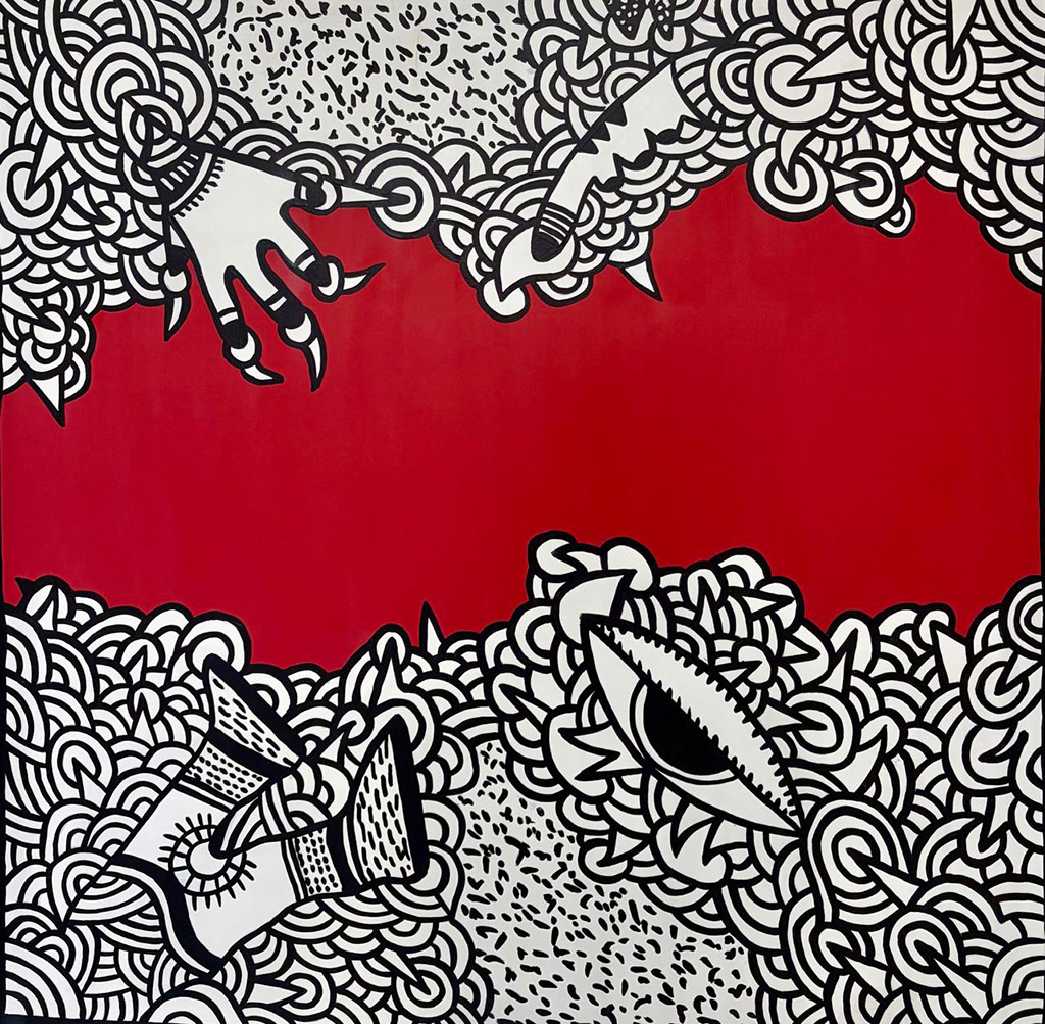
Το κόκκινο ανάμεσα στις σιωπές, mixed media, acrylics and acrylic markers, 100 × 100 cm
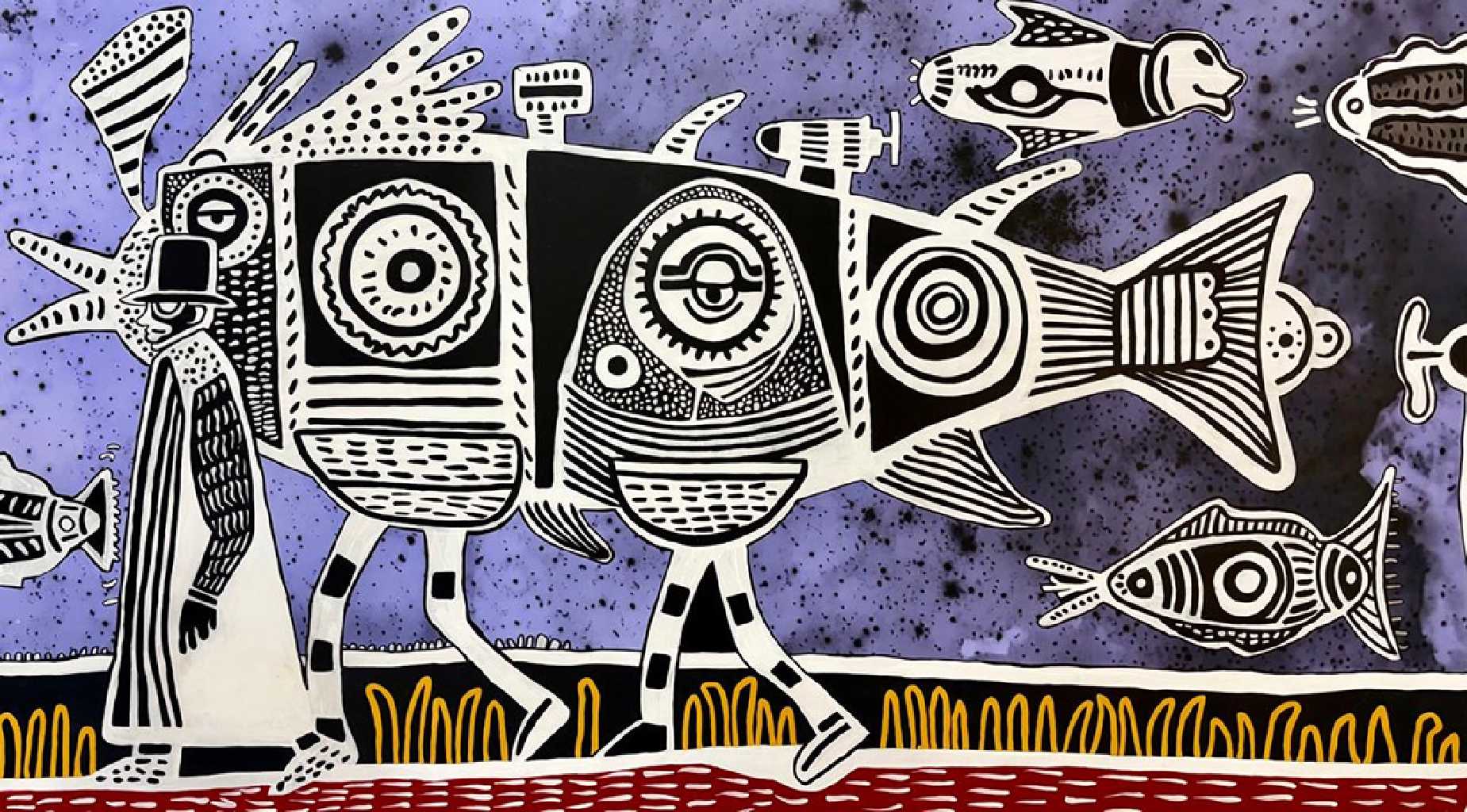
Το Ψάρι που περπατούσε στα όνειρα, mixed media, acrylics and acrylic markers
Το Ψάρι που περπατούσε στον βυθό, mixed media, acrylics and acrylic markers, 150 × 220 cm
Τραγούδι πριν τον ήλιο, mixed media, acrylics and acrylic markers, 100 × 100 cm