Living The Emptiness
Vratko Barcik, Jason Jackson, Ricardo Castro Romero
April 20 - 26 2026 Athens CURATED BY Charis Savvides PARTICIPANTS Amalia Gardens AMKE & Alma Gallery Athens
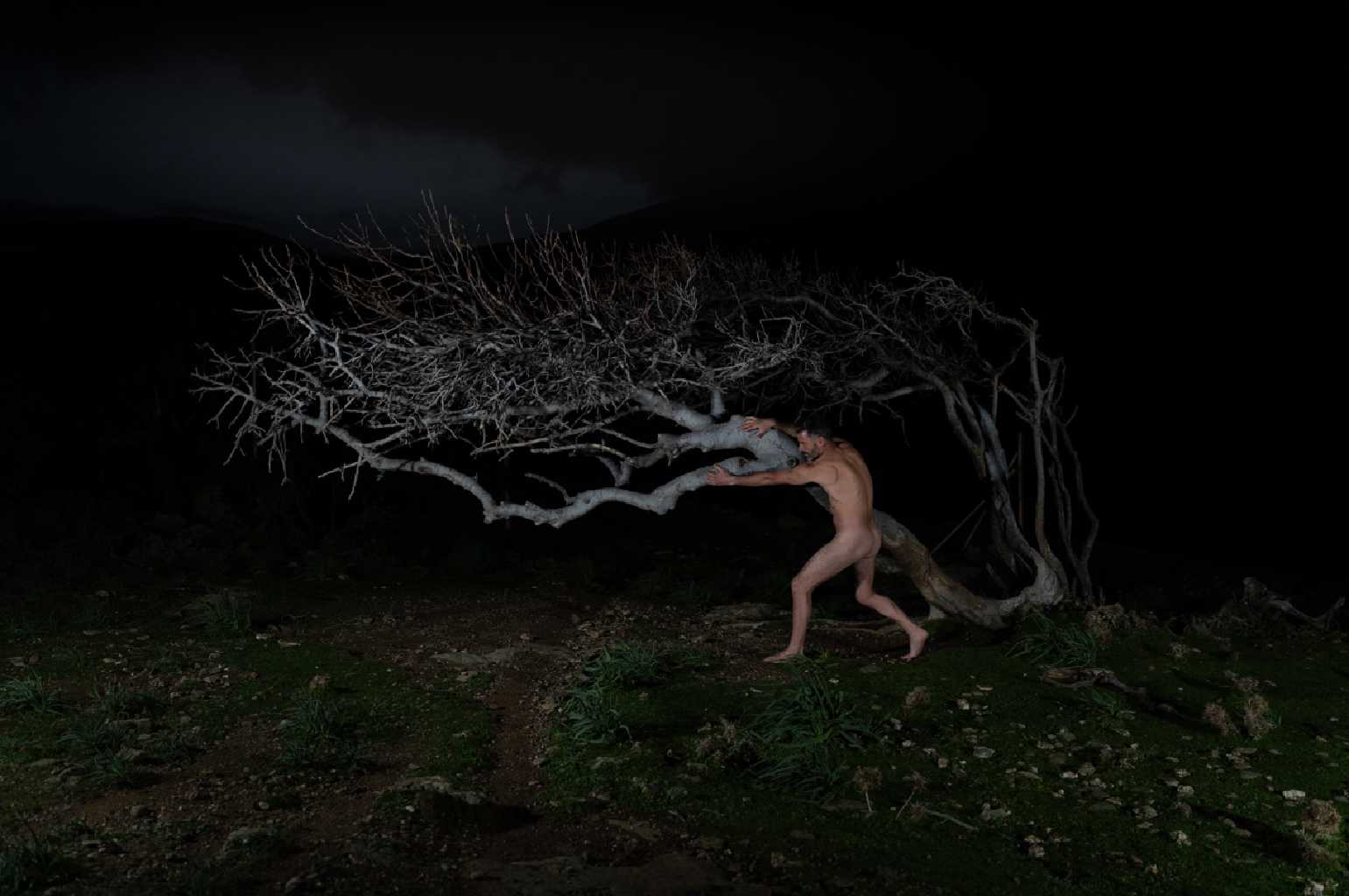

Wind and the Muscles,
Jason Jackson,
150 x 100
Kalokairini, Vitali, Andros
Kalokairini is a forgoten hamlet near Vitali, on the island of Andros. Around twenty stone houses, inhabited until the 1960s, now lie in ruins—half collapsed, open to the sky. Roofs have fallen in, walls have cracked apart, and the interiors of the houses have been exposed to rain, wind, and the slow erosion of time. Nature has quietly returned. Goats and sheep move freely through spaces once defined by human presence, wild plants emerge from the stone, and the boundaries between inside and outside have dissolved.
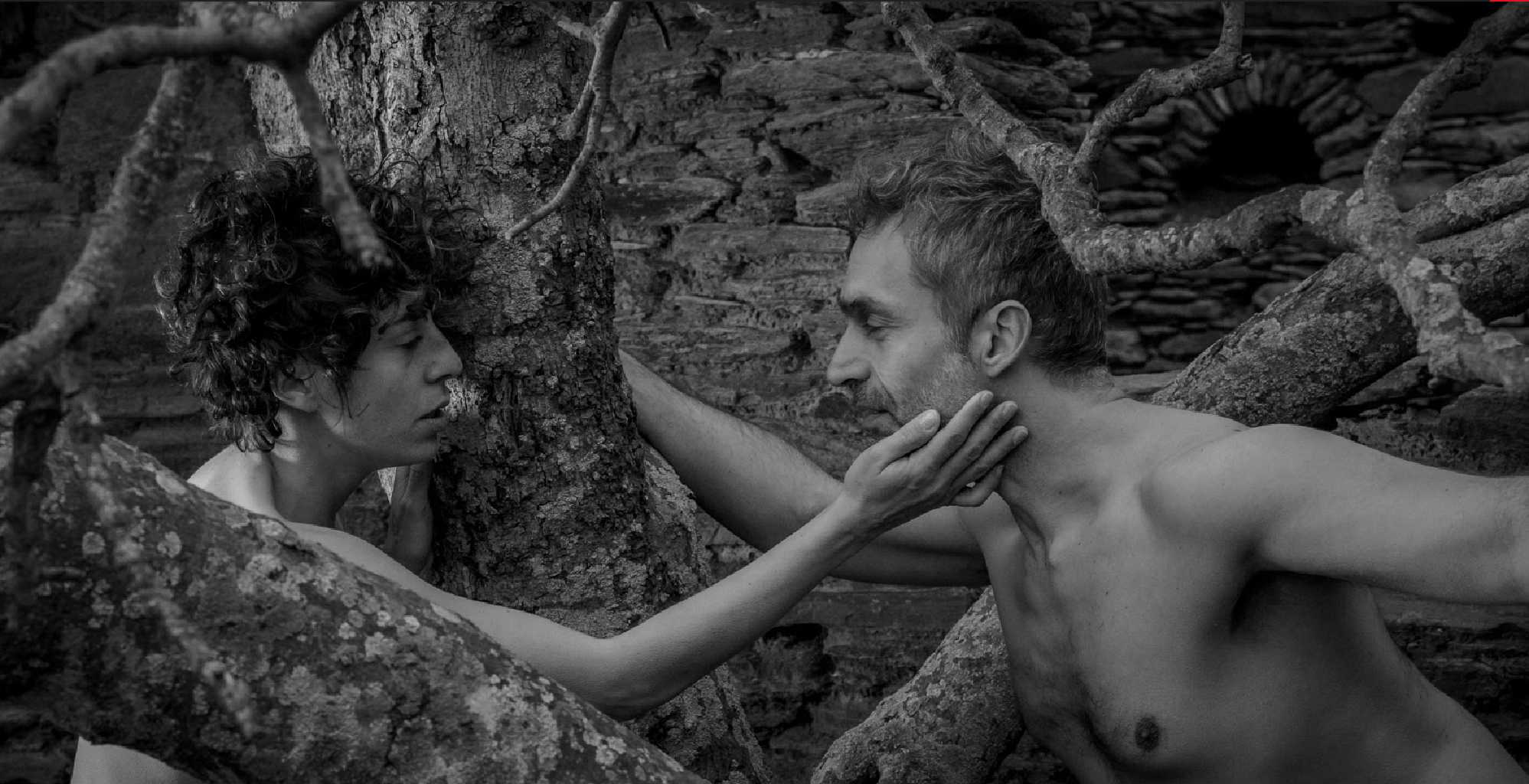

What Touch Entrusts III,
Jason Jackson,
120 x 60
What remains are not fossilized houses, but living structures—once shaped by human presence, now shaped by human absence.
These are neither monuments nor museums. Their form has not been preserved, restored, or frozen in time. A continuous present writes its history here every day—a present in which memory is embedded in the material itself and decay becomes an active process of renewal. This neighbourhood is no longer inhabited, yet it is not empty. It carries traces of the lives that once unfolded here: gestures repeated over centuries, labour and rest, rhythms that have now been interrupted. Human absence here is not a void; it is a condition.
The exhibition Living the Emptiness emerges from within this condition. The invitation extended to the photographers to walk through Kalokairini was also an invitation to enter this landscape not as observers of ruins but as participants in a dialogue between body, space, and time. The project is not about nostalgia, nor about reconstructing the past. It concerns human presence—fragile, temporary, yet undeniably real—returning to places that no longer expect it and can no longer shelter it.
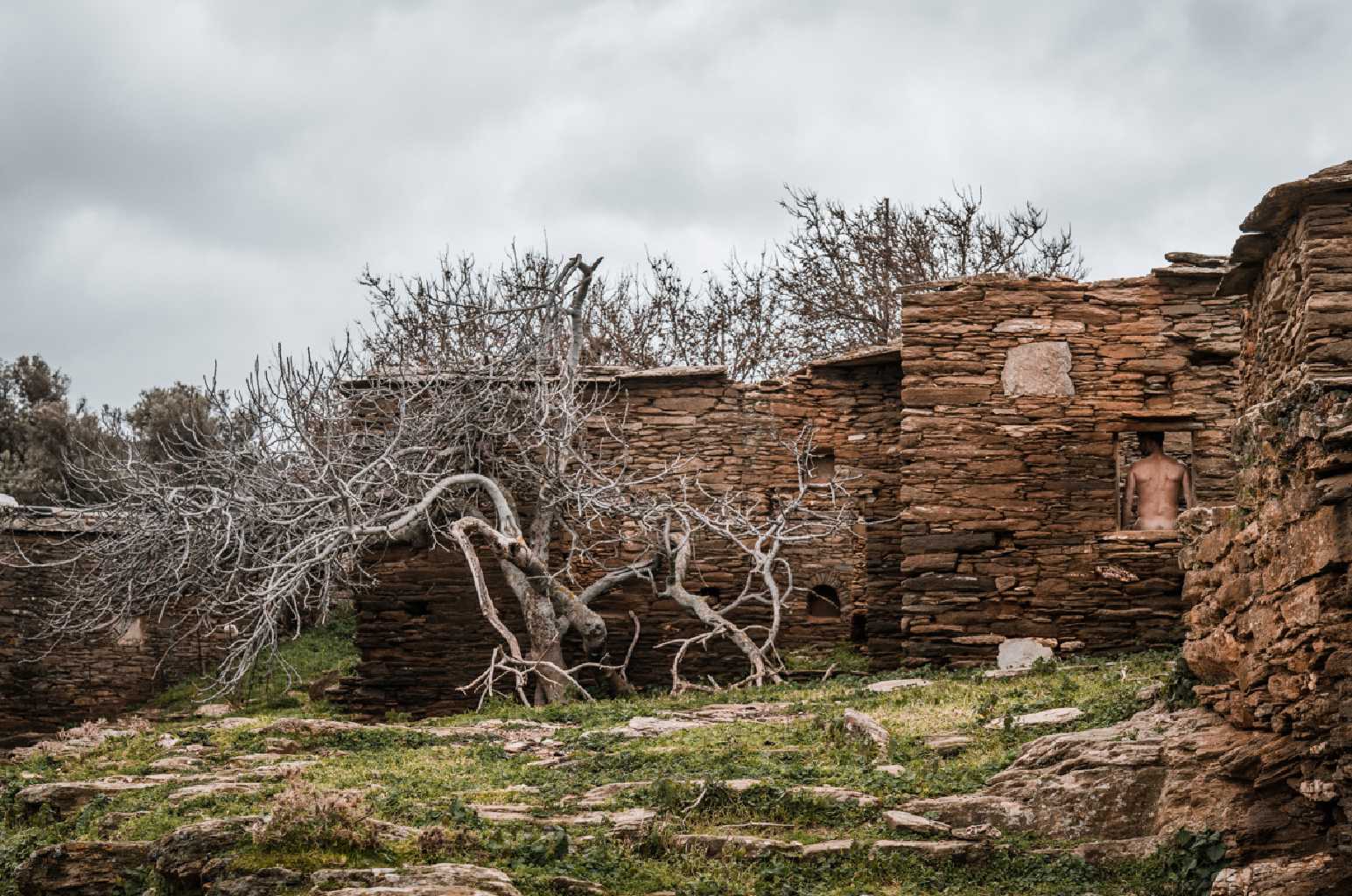

The Body Dwells in Stone,
Jason Jackson,
120 x 80
We told them: what is needed is the human body, with the smallest possible intervention—naked, honest, unadorned. Not as spectacle. Not as narrative. Not as provocation.
The naked body here does not arrive to flirt with the environment, but to expose itself in vulnerability, just as trees and ruins stand equally bare within the winter landscape. It stands without role, without protection, without the appearance of necessity. It becomes a measure of scale, temperature, and time. Against the endurance of stone and decay, the body reveals itself as fragile—yet stubborn in its insistence to exist. To exist where life once existed.
We needed the everyday hero returning home from work, carrying the weight of the day. Not a mythical figure, nor a symbolic body, but a familiar one. A body marked by repetition, labour, and fatigue. A body belonging to work rather than performance. The act of return is essential: the gesture of coming back to a place that was once refuge, rest, familiarity. Even if that refuge no longer exists as it once did, the gesture of returning remains meaningful.
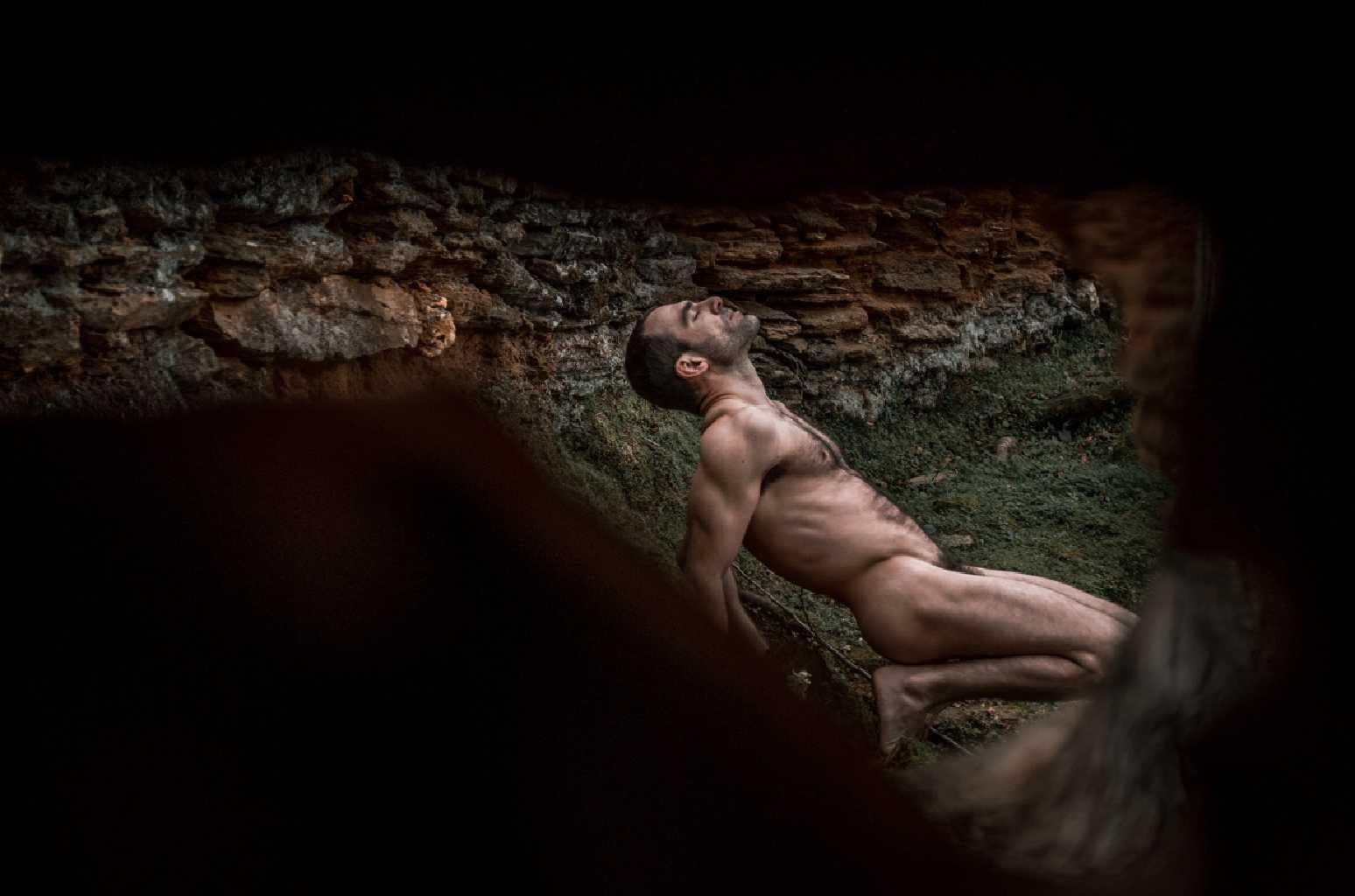

Surrender,
Jason Jackson,
120 x 80
We seek the quiet moment when one returns simply to rest, to breathe, to exist within what remains. This moment of return lies at the heart of the work. It is not dramatic. It does not search for climax. It is silent, almost invisible: a body entering a ruined room, lying down, standing still, leaning against a wall.
The gesture is minimal yet charged—a tentative reclaiming, a momentary inhabiting of a space that has lost its function but not its memory. Here the body does not claim; it listens. It gathers the new condition as sensation.
In this sense, the ruined structures are not treated as monuments. They are neither symbols of loss nor romantic remnants of another time. They are living organisms—transformed, exposed, permeable. Nature has taken over and continues to erode and rebuild. Stone cracks. Plants grow and push through walls. Animals occupy whatever openings fallen structures offer them.
Time here is not linear. It accumulates as energy.
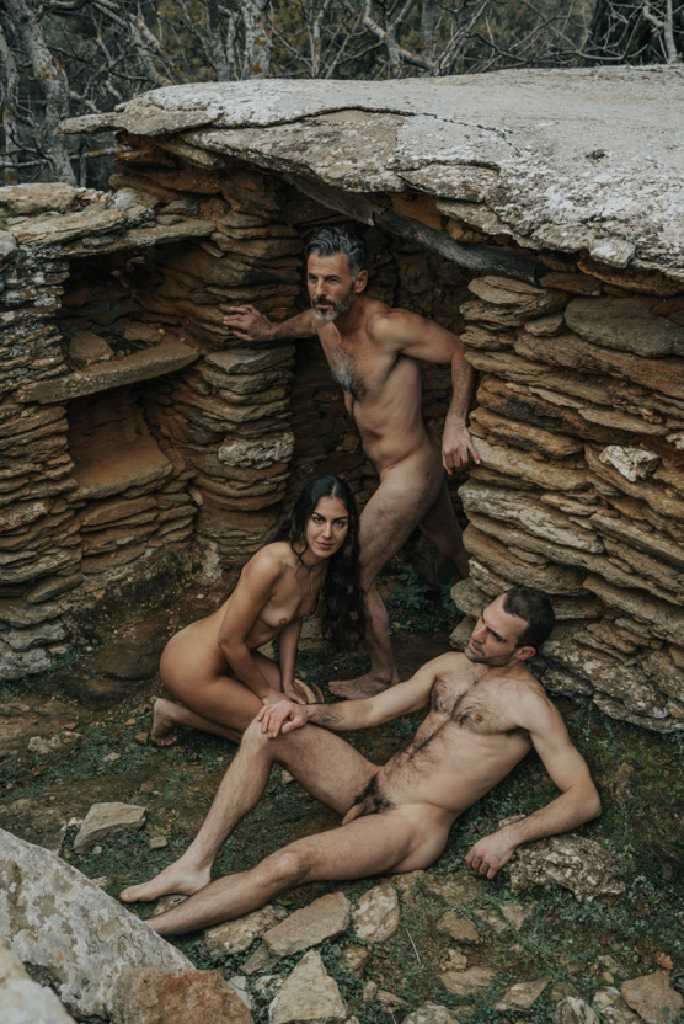

Shelter I,
Jason Jackson,
60 x 90
The dialogue between body and ruin unfolds within this accumulated energy. Human presence does not restore the village, nor does it interrupt its decay. It simply coexists.
The photographs capture moments in which body and architecture meet without hierarchy: stone carries the memory of permanence; the body insists on temporality. Neither prevails over the other—as new condition or as memory.
This dialogue resonates with a broader tradition of thought and artistic practice that understands ruins not as endings but as thresholds. As W.G. Sebald observed, many ruins are places that became “ruins that no one had set out to destroy.” They are the result of abandonment rather than violence; of life moving elsewhere rather than disappearing.
In Kalokairini, abandonment is not failure—it is transformation. Nature does not mourn what was lost; it inhabits it differently.
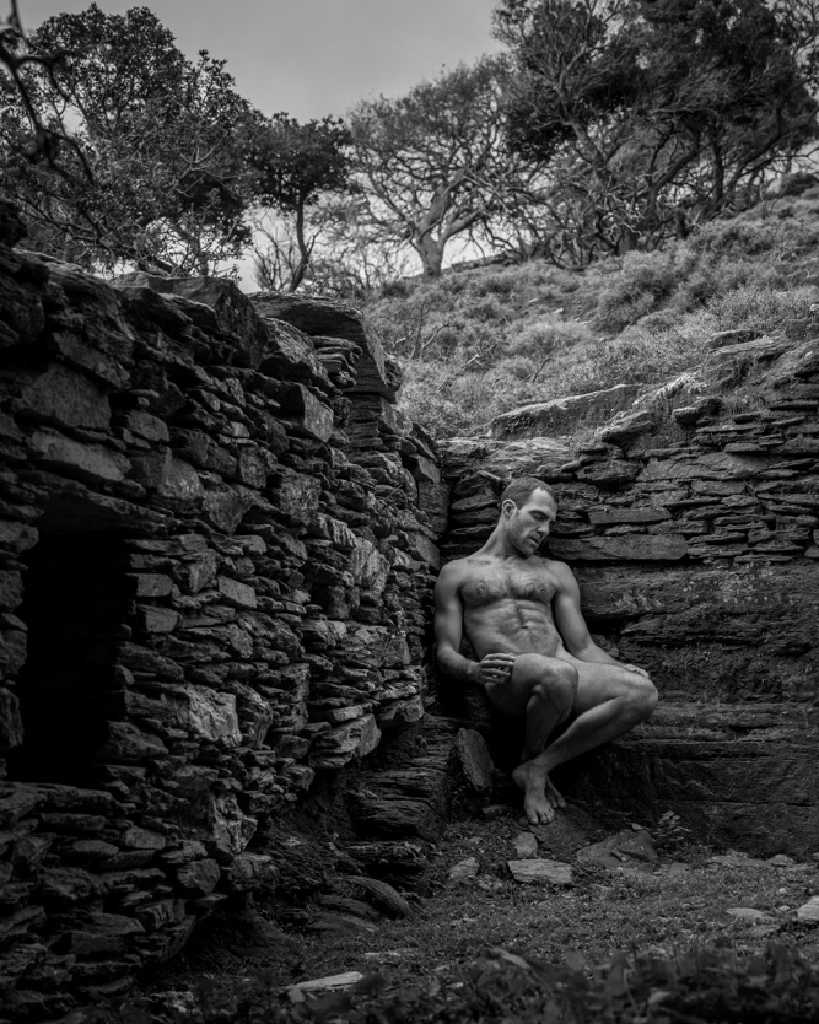

The Silence,
Jason Jackson,
60 x 75
Greek poetry has long articulated this tension between landscape, memory, and endurance. George Seferis wrote that “wherever I travel, Greece wounds me,” not as lament but as recognition: the land carries history within its very surface. Odysseas Elytis reminded us that even if everything were dismantled, what remains is the essential—the olive tree, the vineyard, the boat—the minimum from which life may begin again. René Char spoke of light returning through a single tree among ruins. These are not images of restoration but of continuity.
Cinema, too, has lingered in such places. From the slow, suspended landscapes of Theo Angelopoulos to the spiritual zones of ruin in the films of Andrei Tarkovsky, abandoned spaces become fields of introspection. Bodies move slowly, carefully. Action recedes; human presence itself becomes narrative.
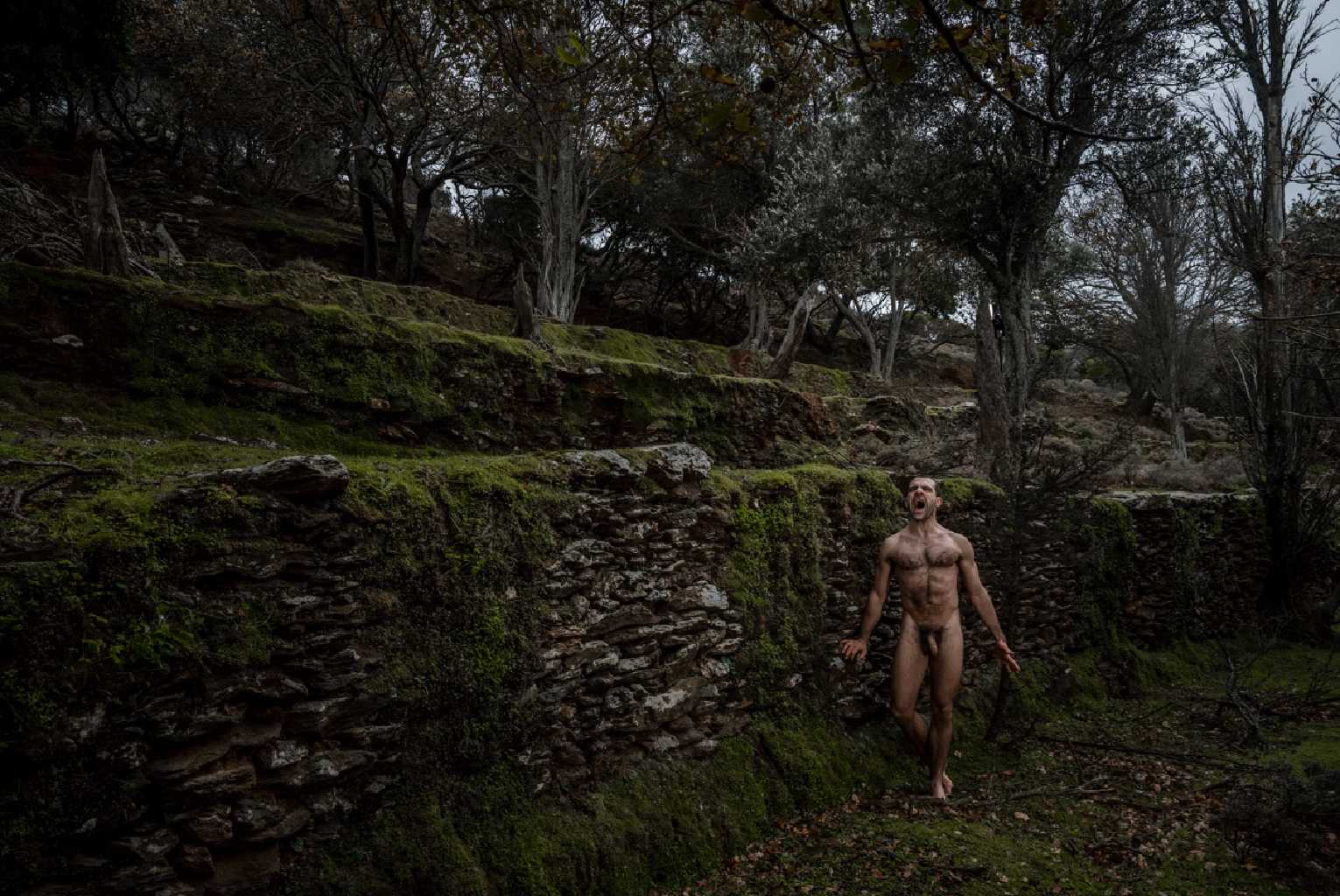

The Cry,
Jason Jackson,
60 x 90
Living the Emptiness belongs to this line of thought. It does not atempt to interpret Kalokairini’s past or assign it a definitive meaning. Instead, it leaves the place as it is and invites the human body to respond with equal freedom.
The photographers approach the site without imposing a single visual language. The poetic, the staged, and the intuitive coexist, just as stone, vegetation, and animal life coexist within the same space.
The resulting works are not illustrations of an idea but encounters. Each photograph becomes a negotiation between what still stands and what has been lost; between the endurance of mater and the fragility of flesh; between movement and stillness.
The body enters, engages, and eventually leaves. The place remains. In this sense, the work is less about return than about recognition. Presence does not need to be permanent to be meaningful. To live the void does not mean to fill it, but to accept it—and to return to it, if only briefly, a human scent.
The Photographers The selection of photographers for Living the Emptiness was not based on a shared style or aesthetic program, but on their ability to approach the human body as presence, experience, and memory. Though they come from different geographic and artistic backgrounds, the three artists share a sensitivity toward silence, gesture, and the barely perceptible.
In their work, the body does not occupy space—it inhabits it temporarily. It does not appear as spectacle but as a return. This atude makes their encounter with Kalokairini meaningful: each artist, through his own visual language, is able to stand within the ruins without explaining them, allowing place and presence to coexist with honesty and respect.
Vratko Barcik Vratko Barcik approaches the human body with clarity and instinct. His photographic language is minimal, direct, and charged with tension, where light and shadow function as essential narrative tools. In his work, the nude body is never fully revealed; it remains at the threshold, preserving a power born from restraint. His aesthetic balances the masculine and the fragile, elegance and sensuality, always maintaining a sense of honesty and presence.
Jason Jackson Jason Jackson moves fluidly between documentary and poetic observation. His gaze, shaped by street life, travel, and everyday encounters, searches for the human moment where nothing appears to be happening. In his work, the body—particularly the male body—becomes a fragile vessel of desire and connection. His images oen carry a cinematic quality while remaining intimate and quiet, like fragments of memory that ask for no explanation.
Ricardo Castro Romero Ricardo Castro Romero brings to his photographic practice the discipline and knowledge of movement. Emerging from the worlds of dance and choreography, he treats the body as a space of expression, memory, and cultural identity. His use of light and shadow sculpts gesture and form, turning each image into a stage. His work moves between portraiture and performance, revealing deep emotional intensity and a relationship to tradition, silence, and the unspoken.
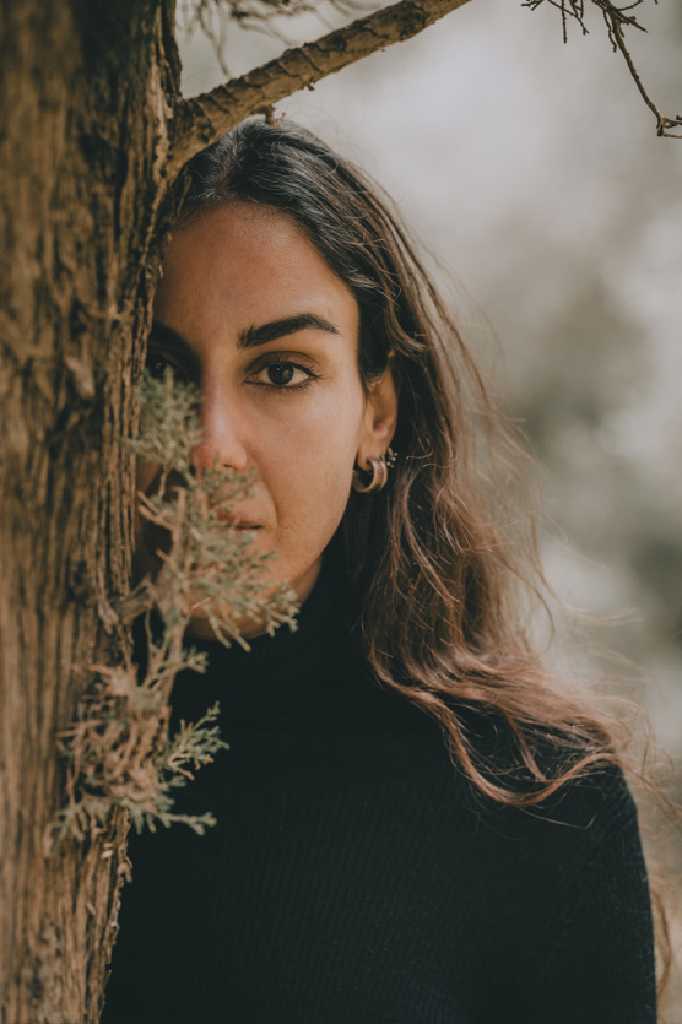

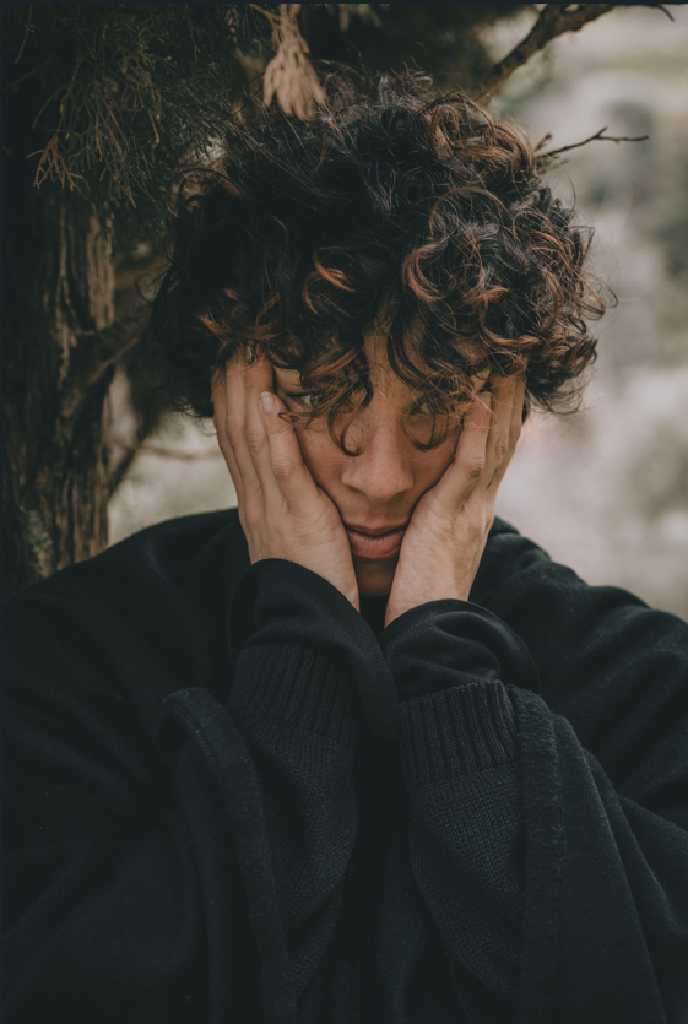
The Noise Within I,
Jason Jackson,
60 x 90

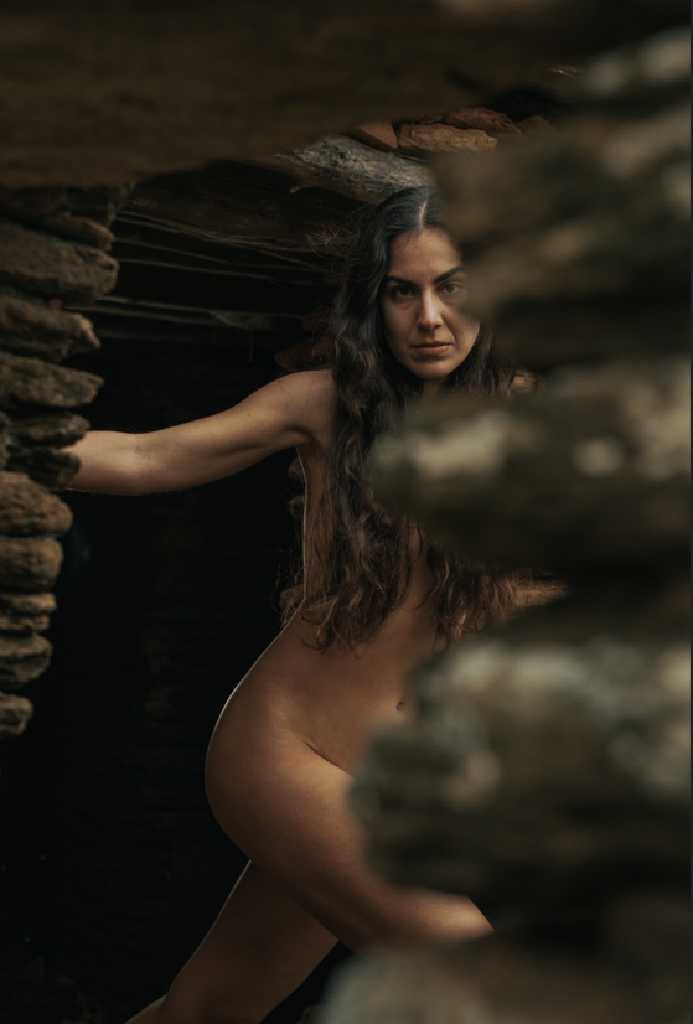
The Noise Within II,
Jason Jackson,
60 x 90

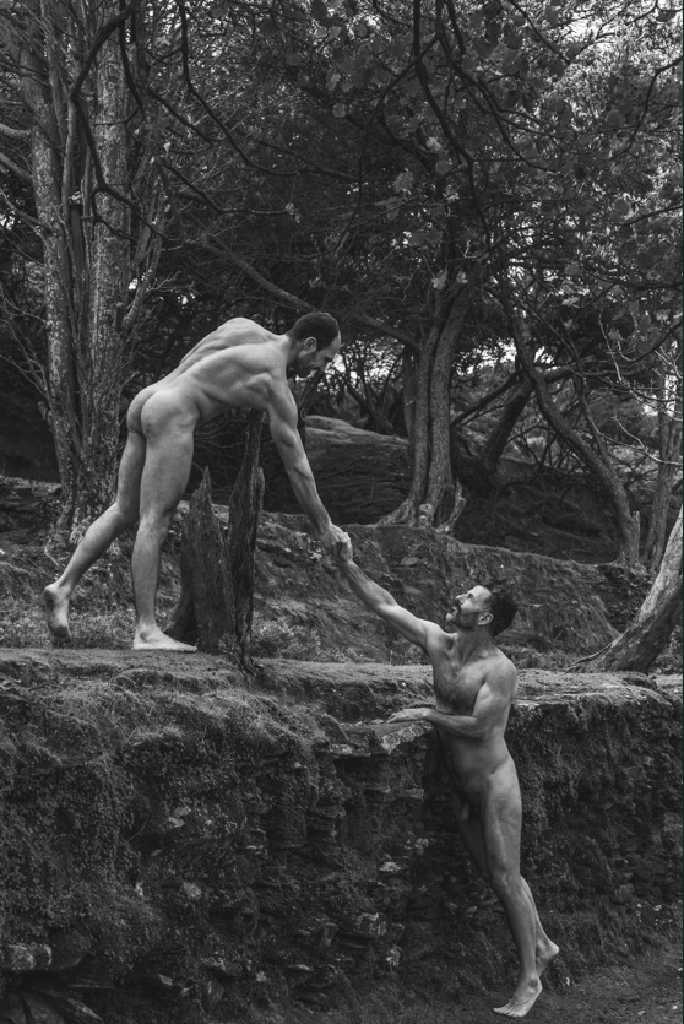
Shelter II,
Jason Jackson,
60 x 90

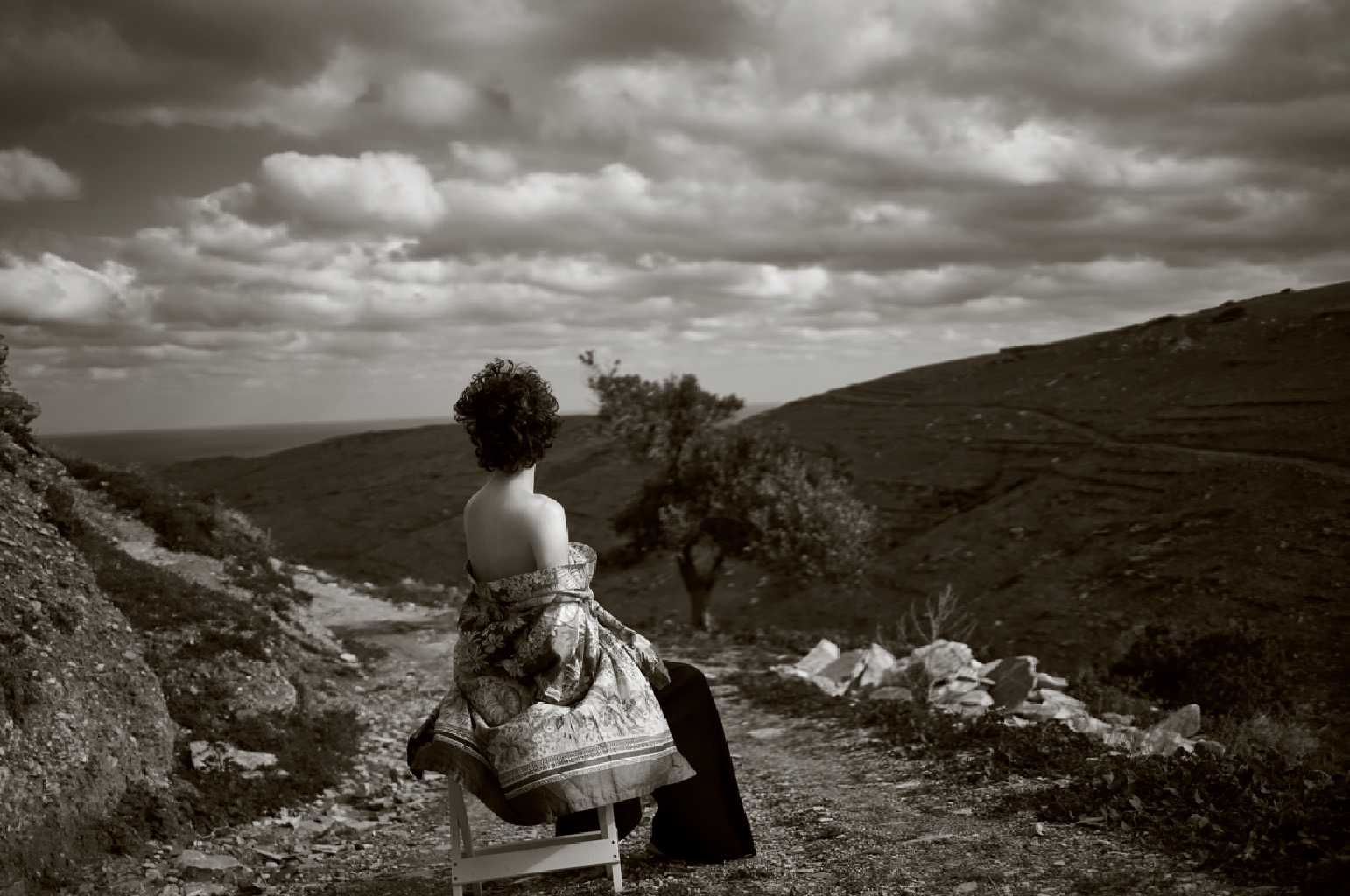
Hold Me,
Jason Jackson,
60 x 90

After the storm, Expecting the Return,
Ricardo Castro,
150 x 100
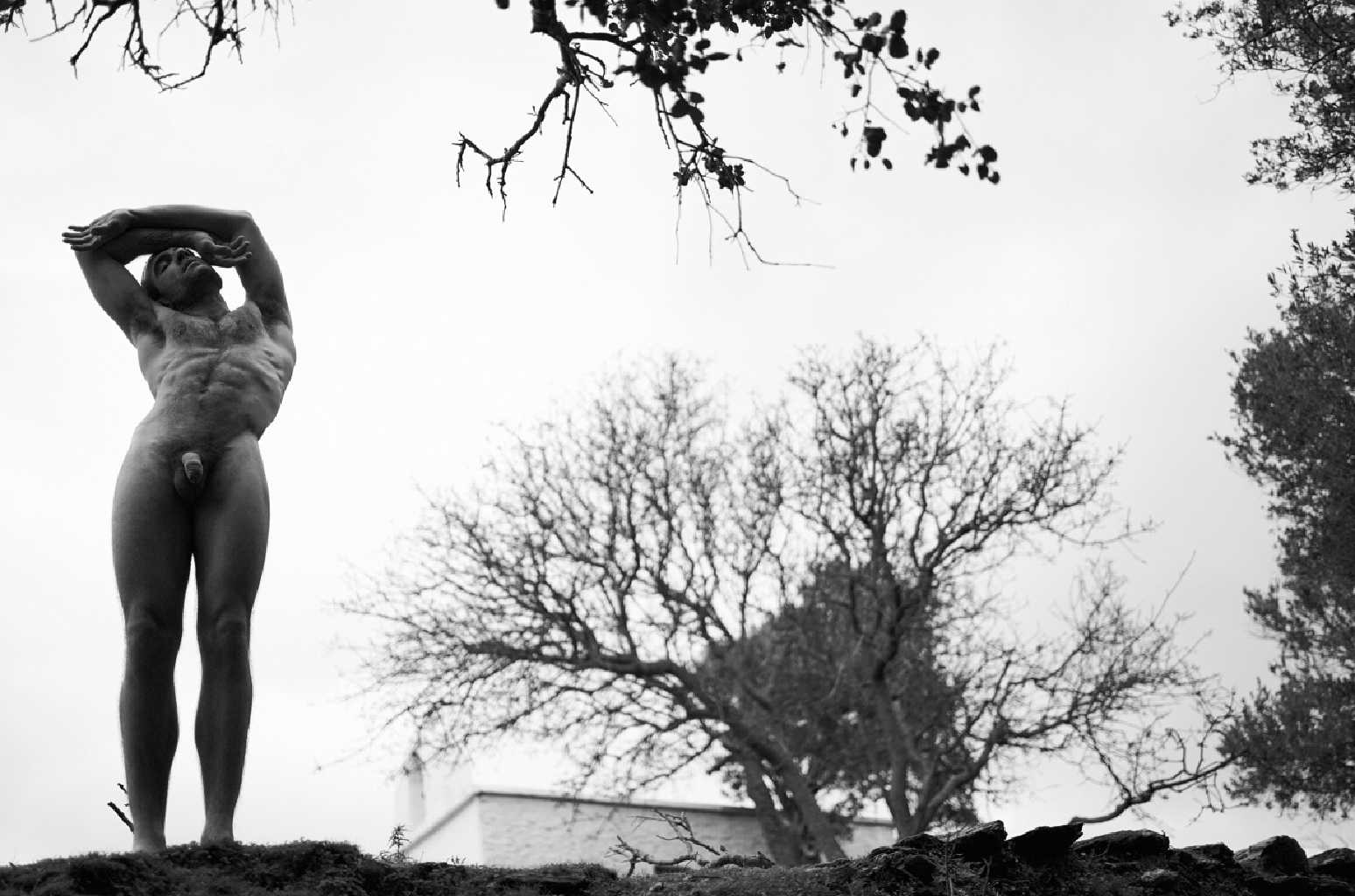

A Body in a landscape with chapel,
Ricardo Castro,
120 x 80
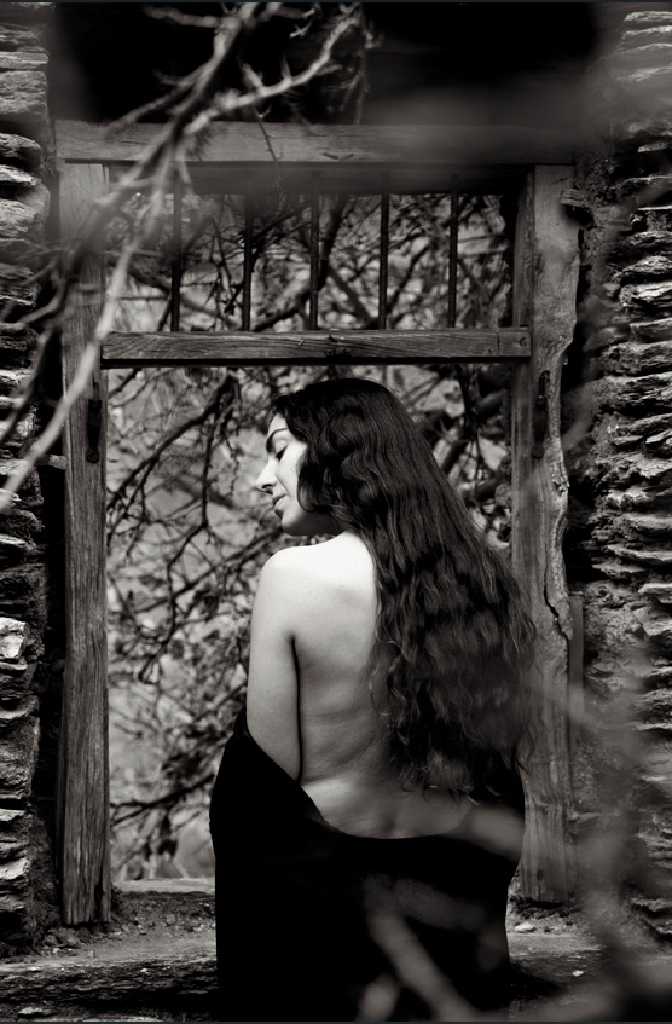

At the Window,
Ricardo Castro,
80 x 120
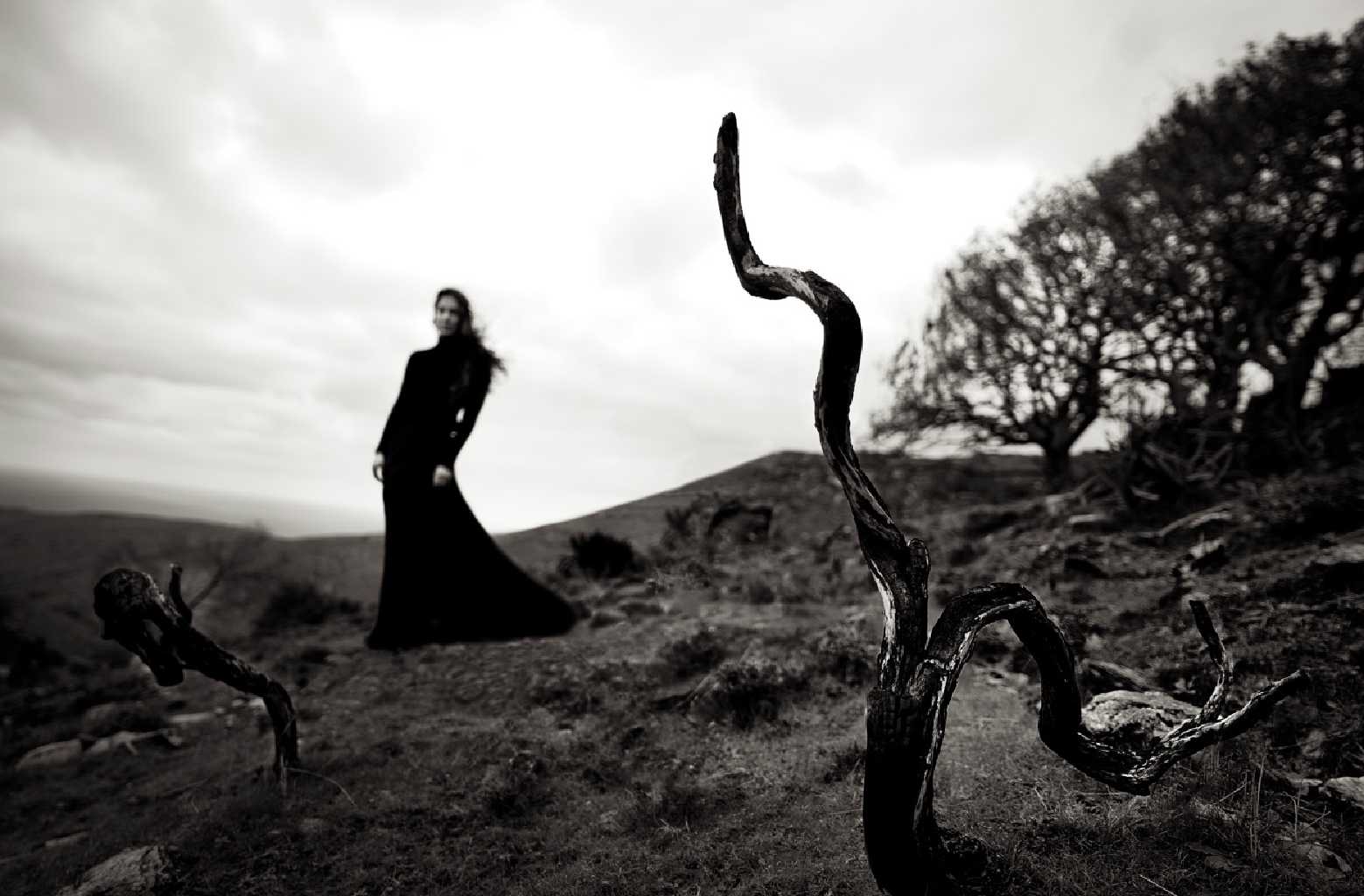

Both within the same land,
Ricardo Castro,
120 x 80
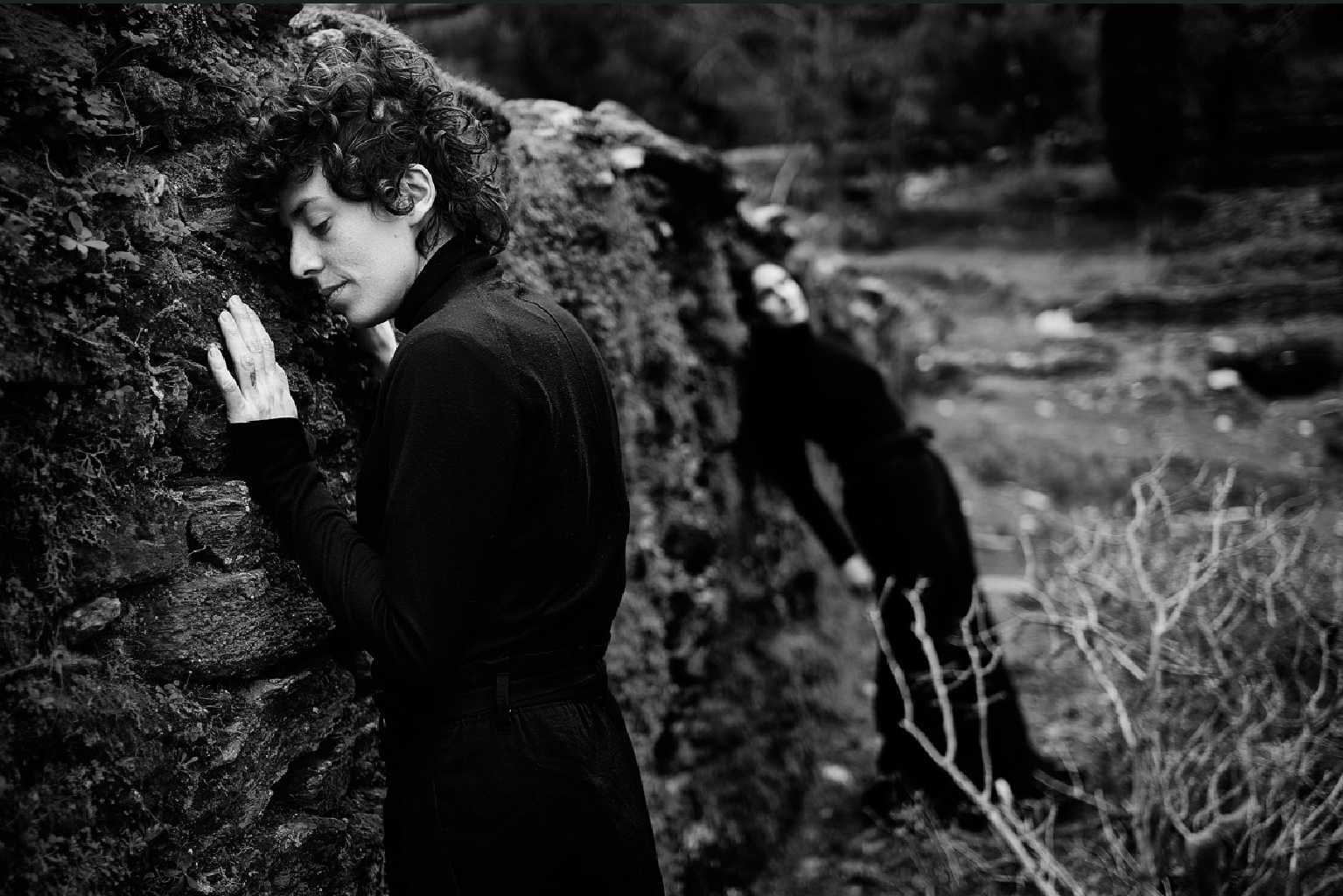

Merge and listen I,
Ricardo Castro,
90 x 60
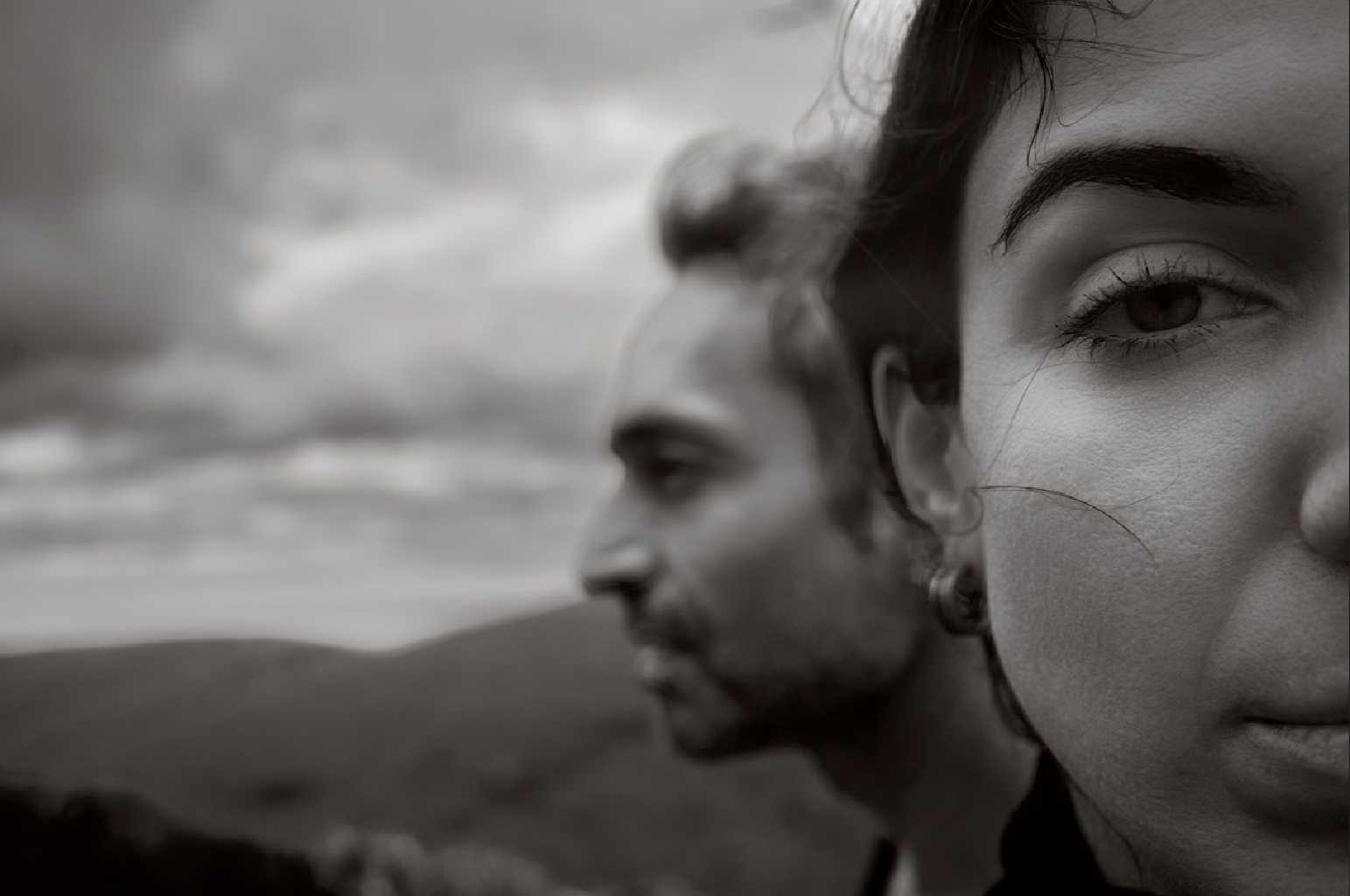

Two within the same horizon,
Ricardo Castro,
90 x 60
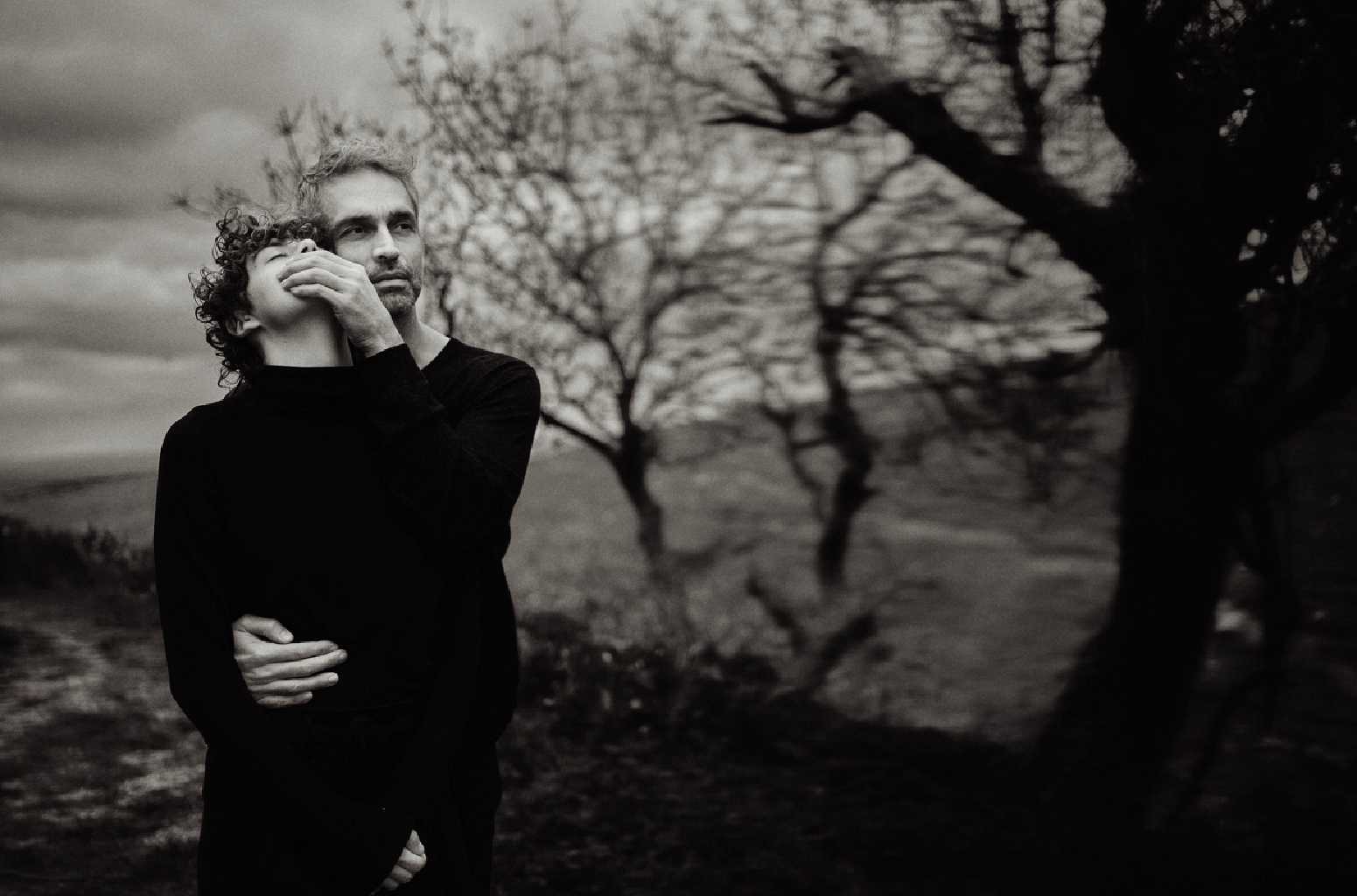

Two within the same landscape,
Ricardo Castro,
90 x 60
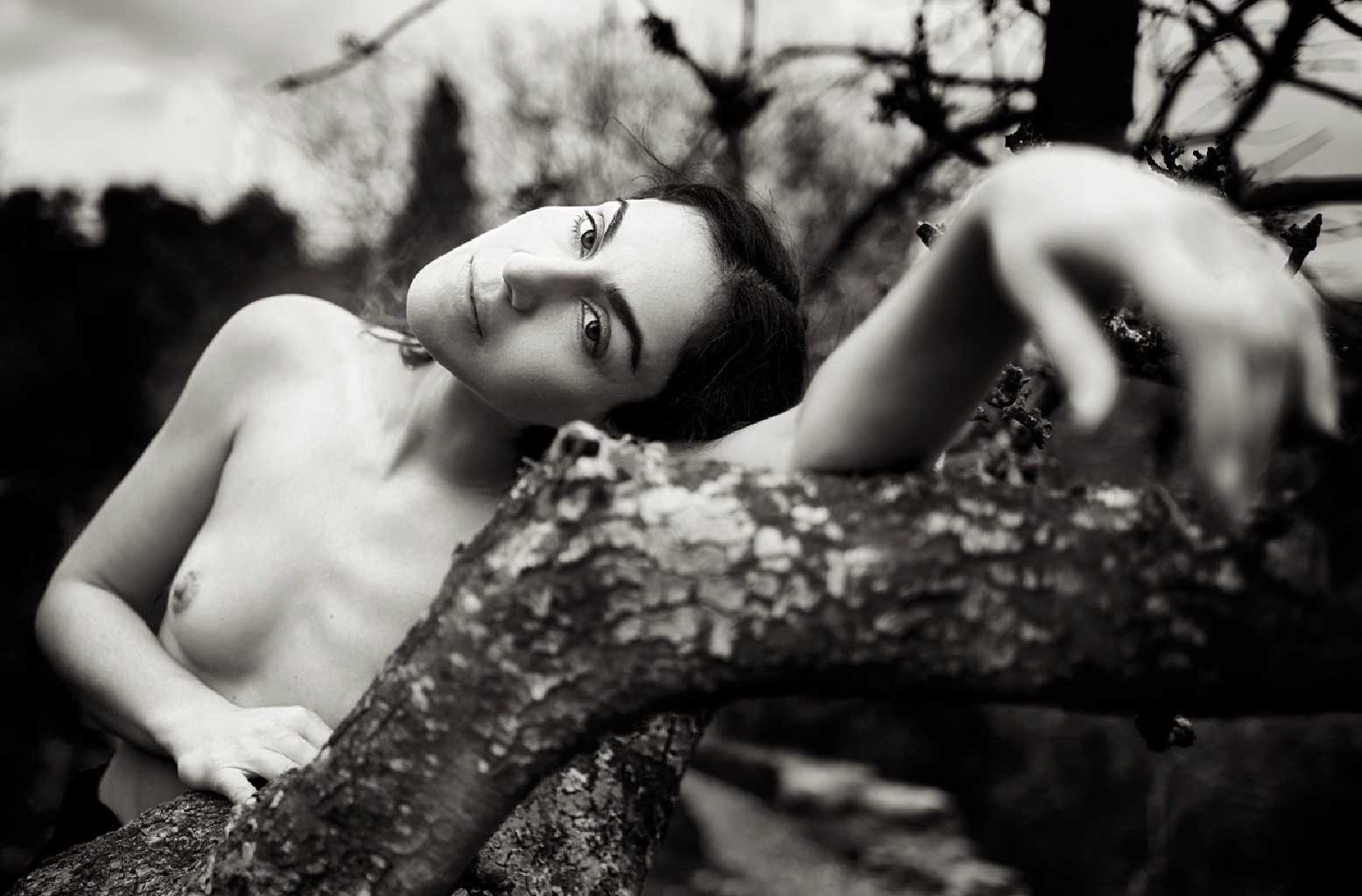

I feel myself fading,
Ricardo Castro,
90 x 60
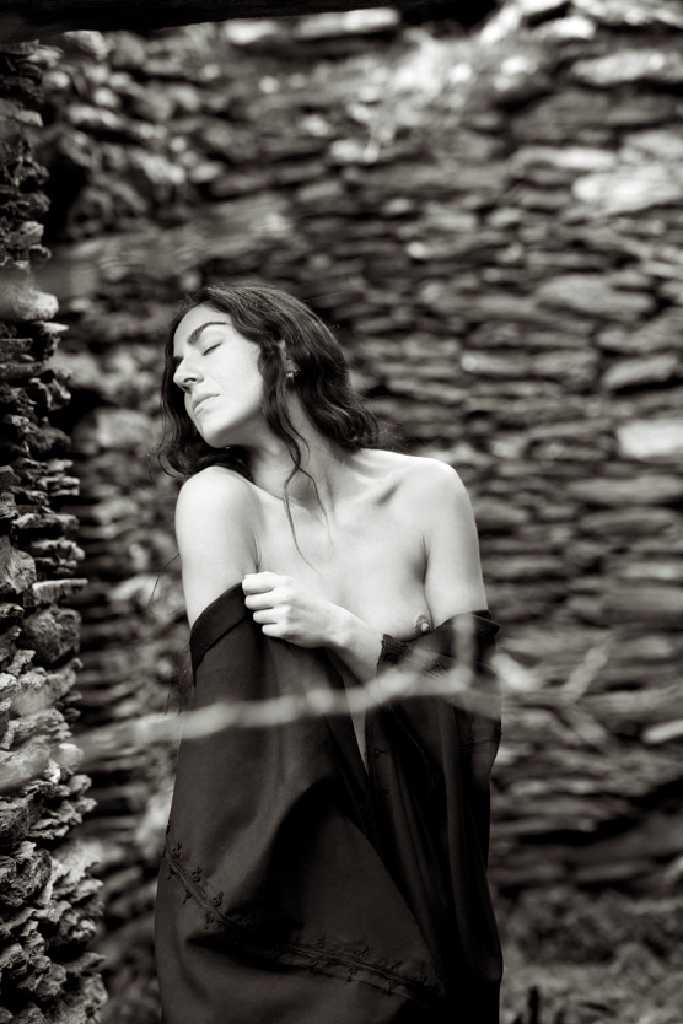

Unveiled I,
Ricardo Castro,
60 x 90
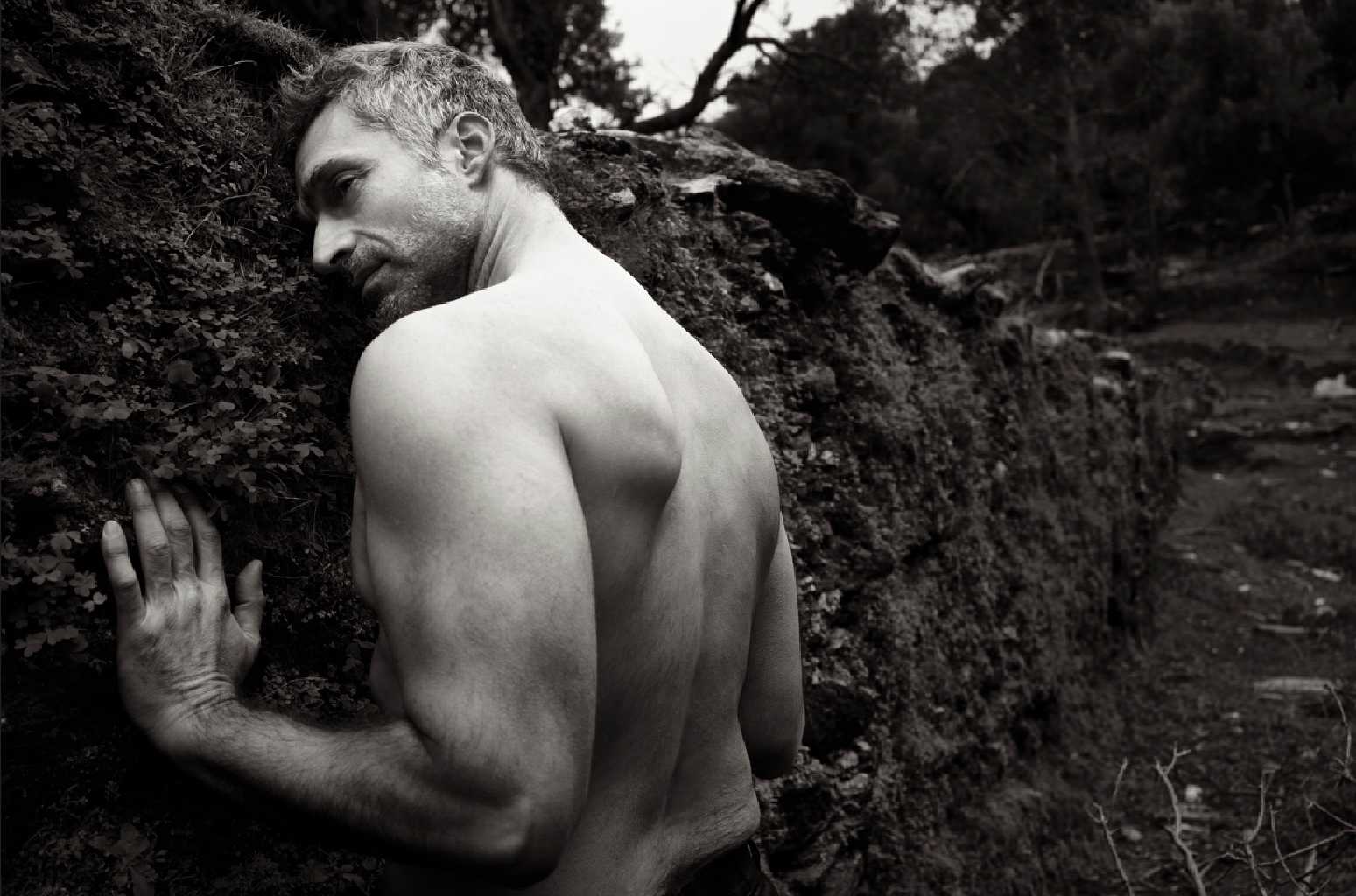

Merge and Listen II,
Ricardo Castro,
90 x 60
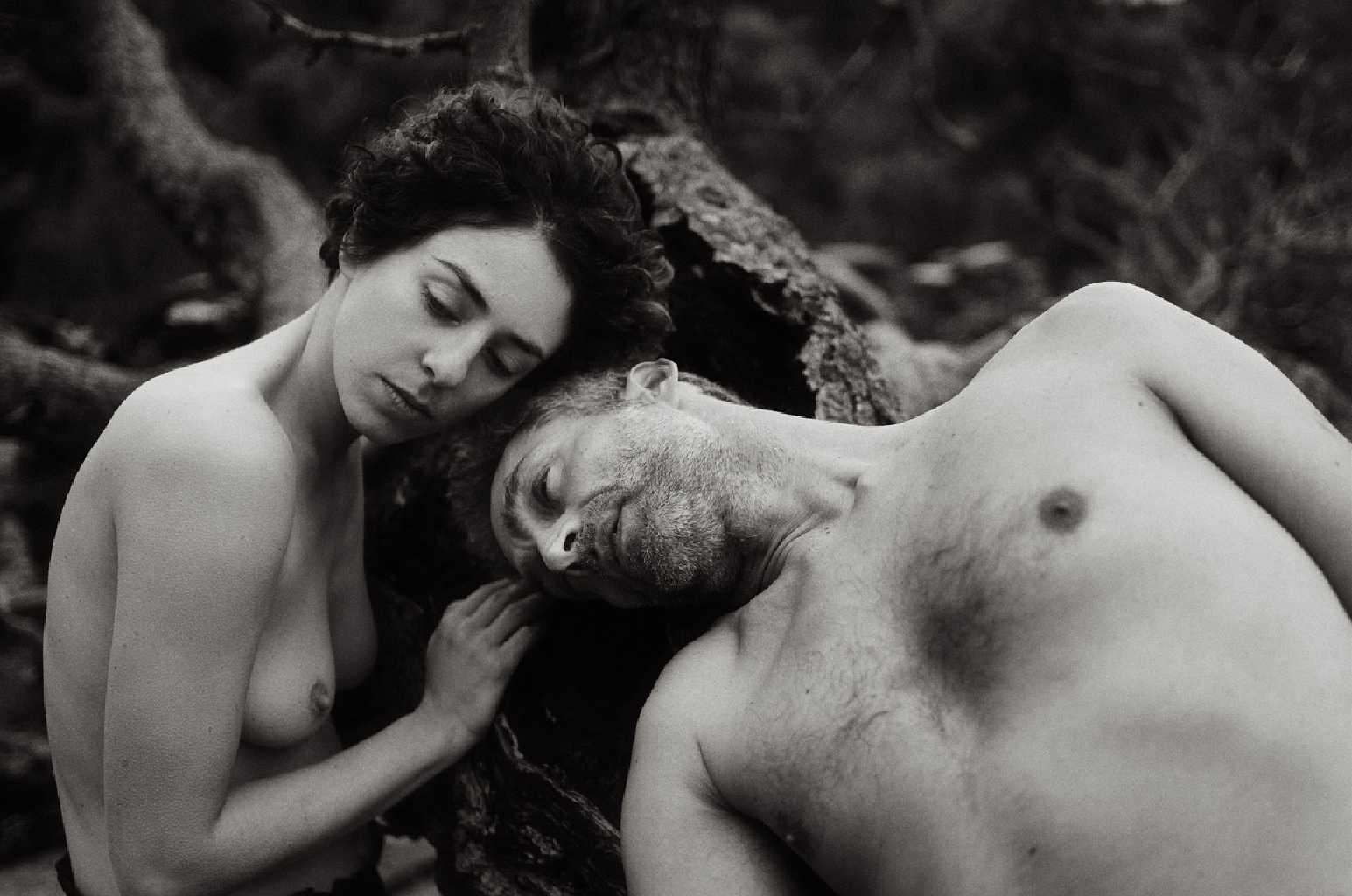

Both within the same land,
Ricardo Castro,
90 x 60
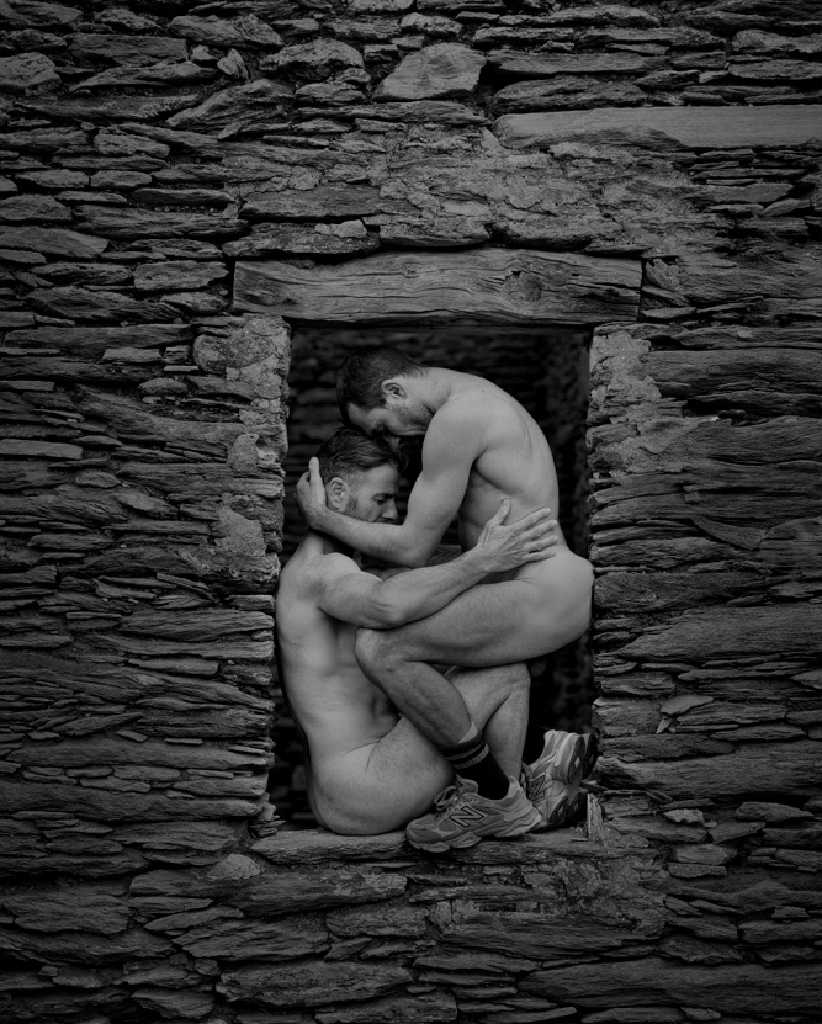

Your body with mine I,
Vratko Barcik,
100 x 125
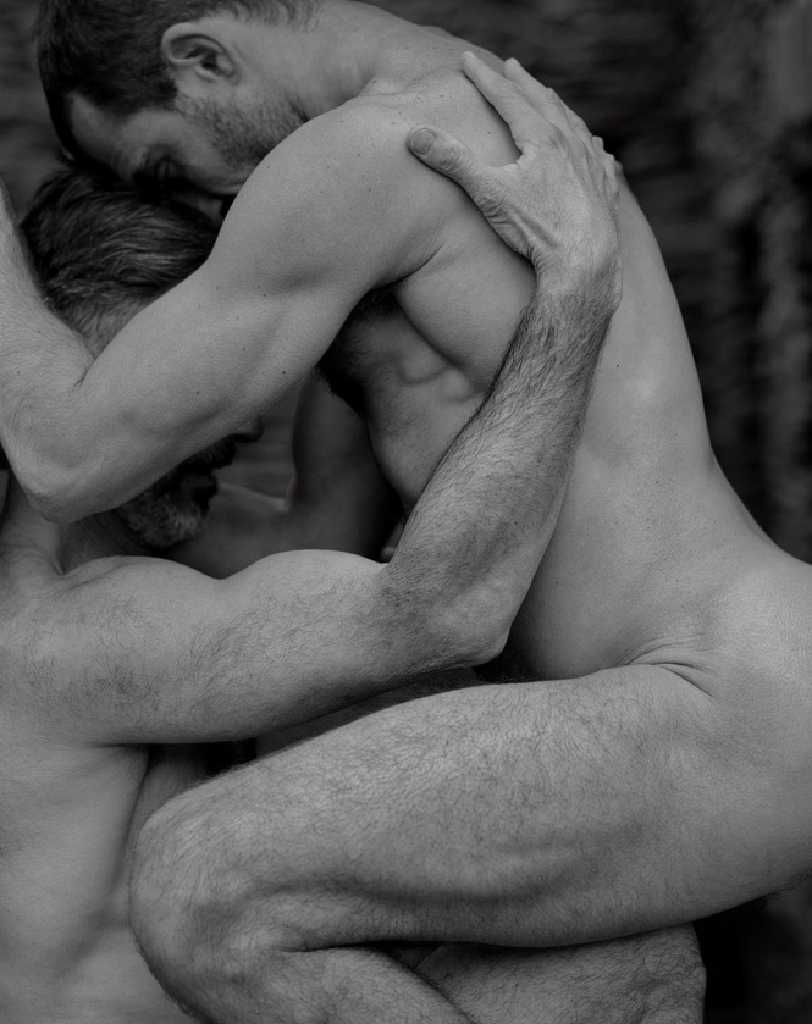

Your body with mine II,
Vratko Barcik,
96 x 120
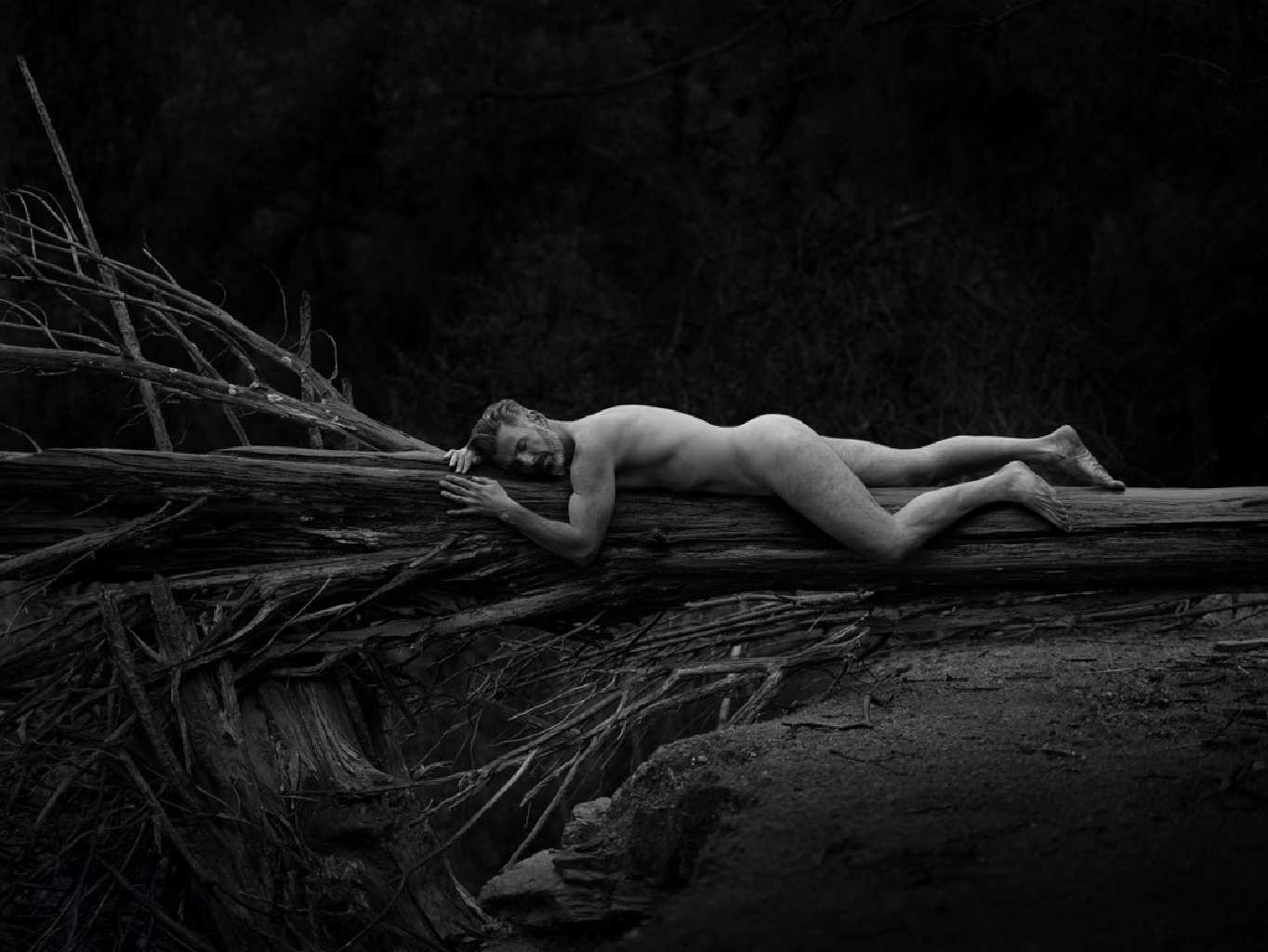

Where the body comes to rest,
Vratko Barcik,
120 x 90
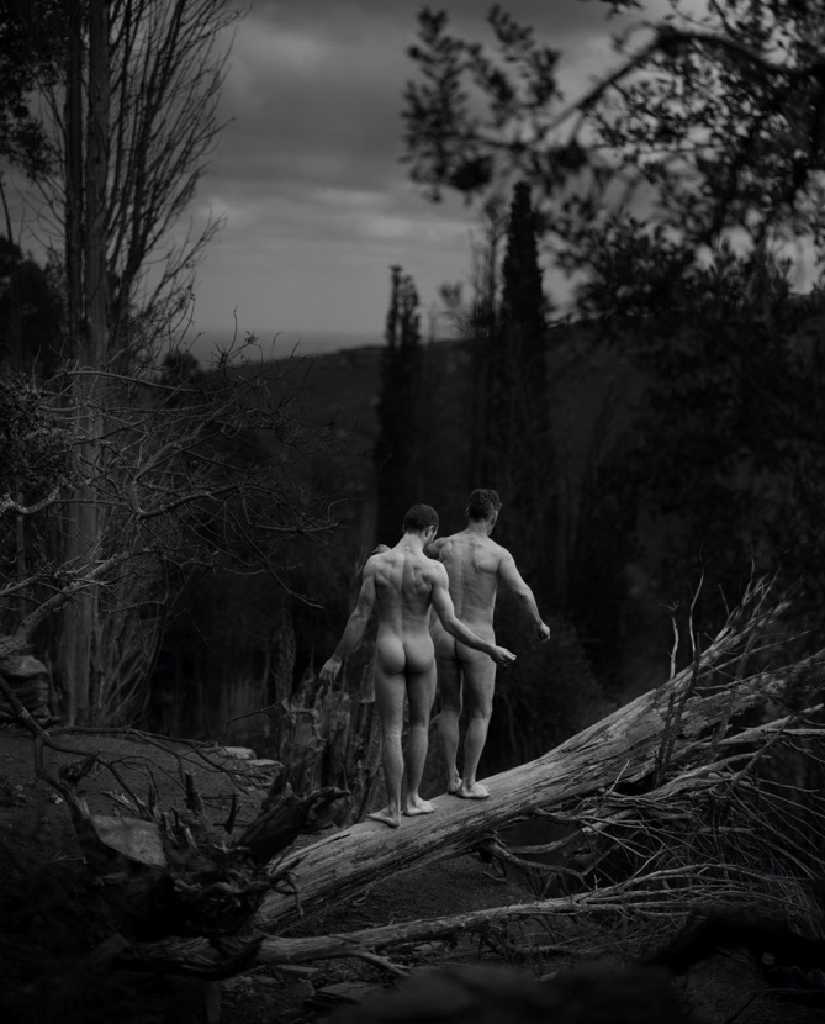

Balance for two I,
Vratko Barcik,
96 x 120
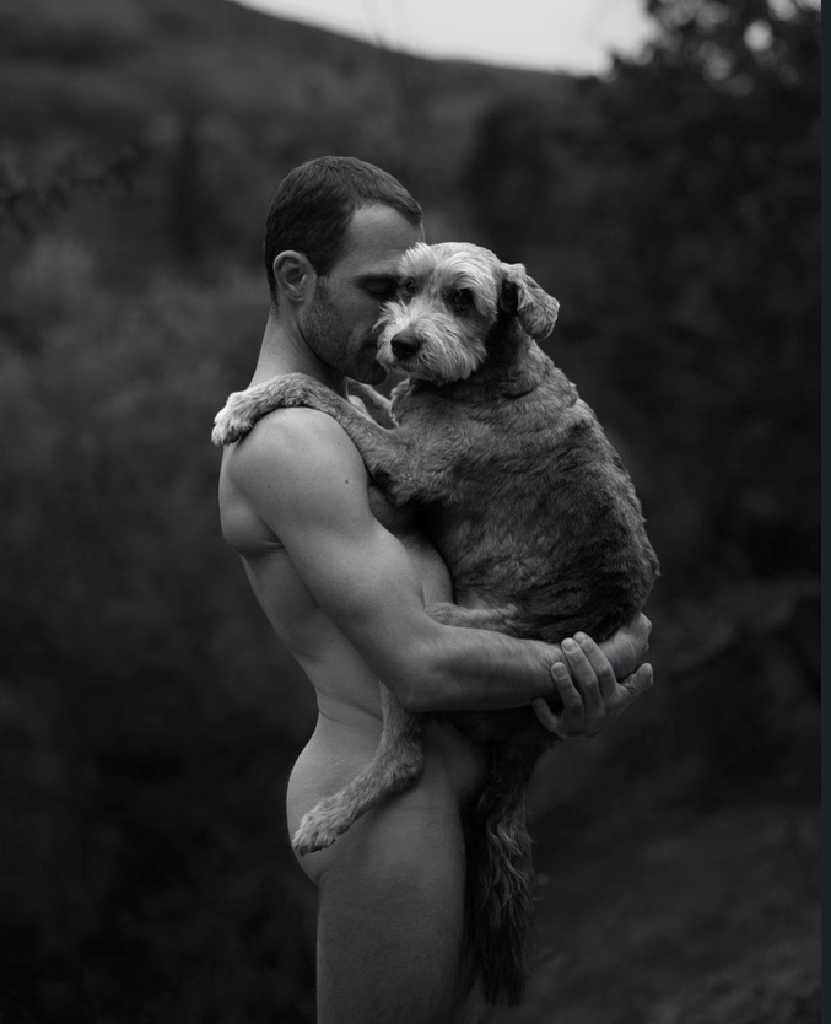

What Touch Entrusts,
Vratko Barcik,
60 x 75
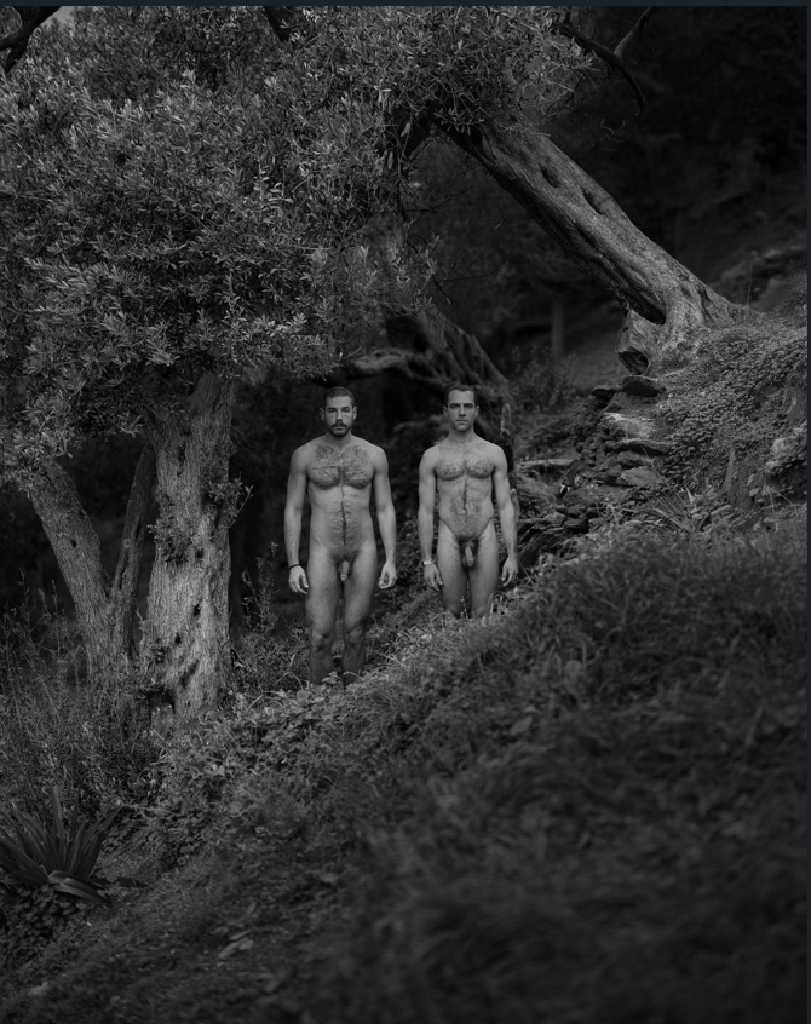

Two within the same landscape,
Vratko Barcik,
60 x 75
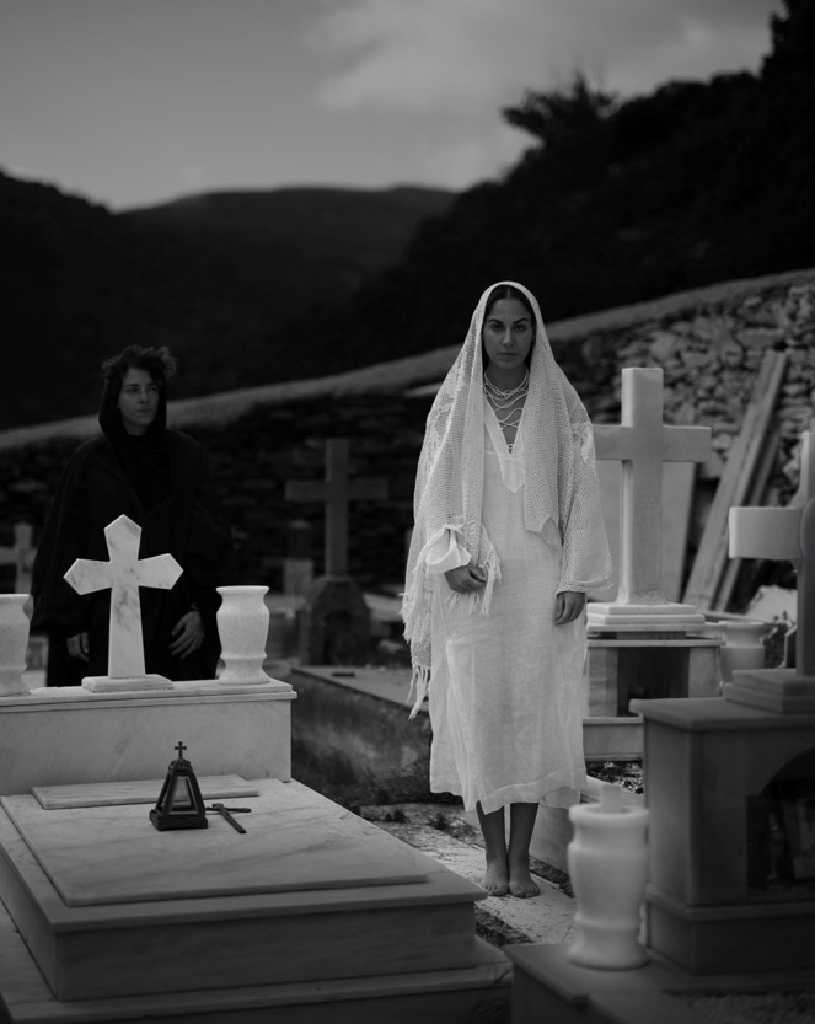

In the place of names,
Vratko Barcik,
60 x 80
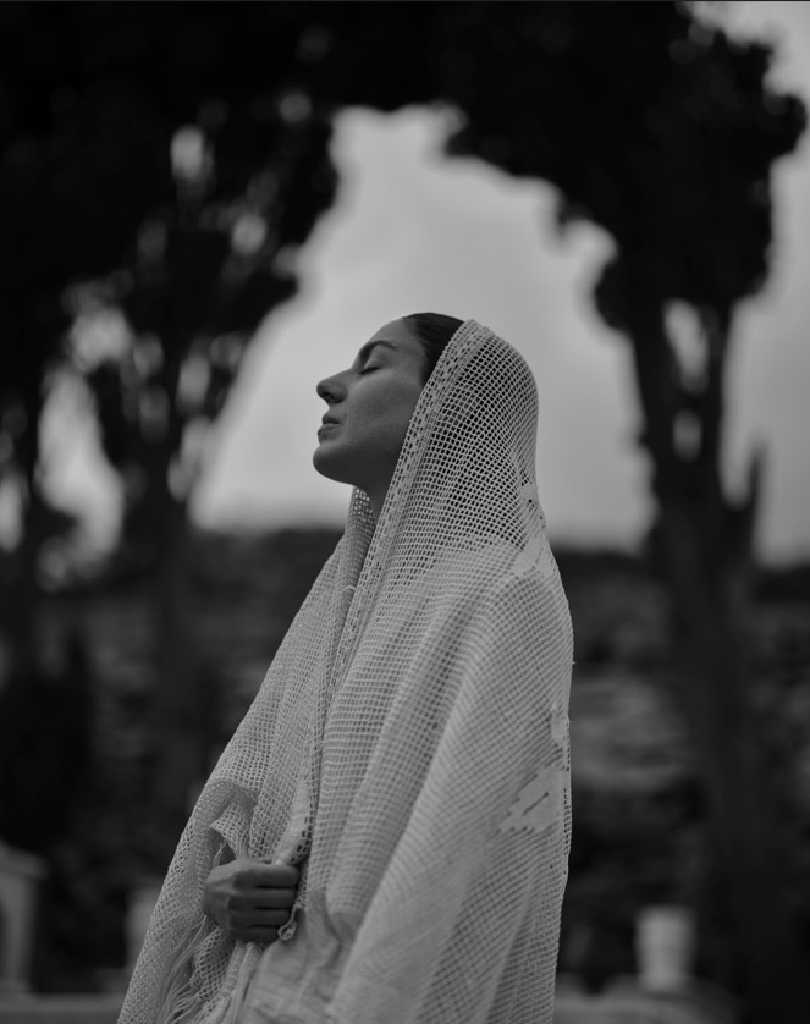

After the Vow,
Vratko Barcik,
60 x 80
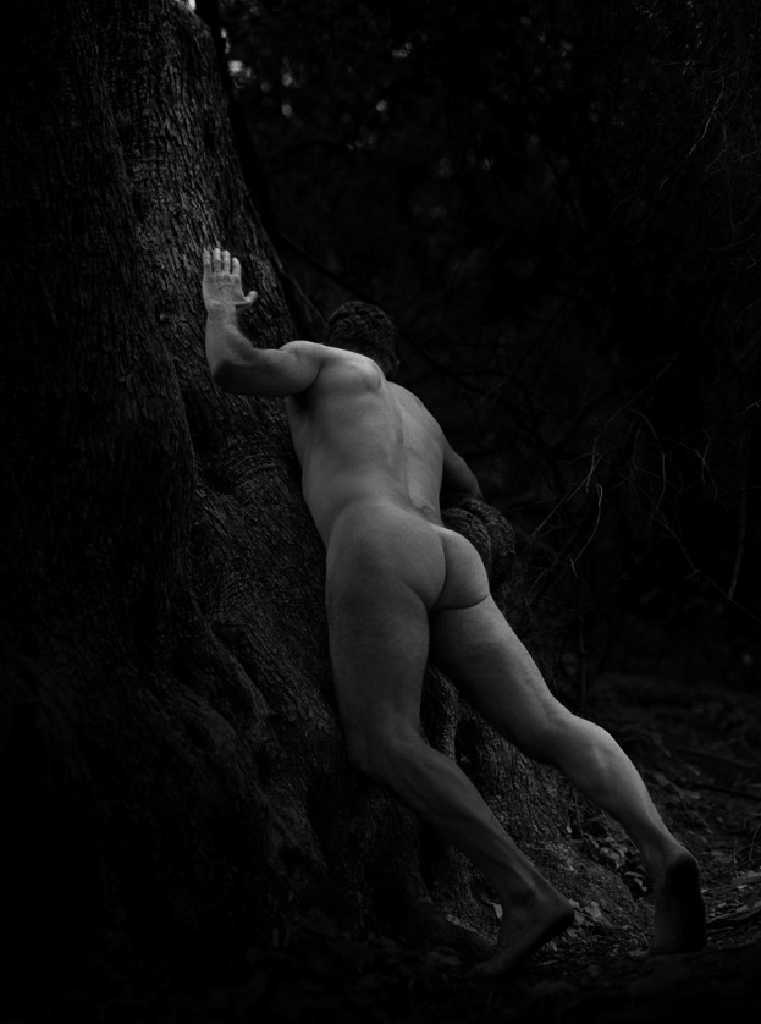

The weight of the body,
Vratko Barcik,
60 x 80
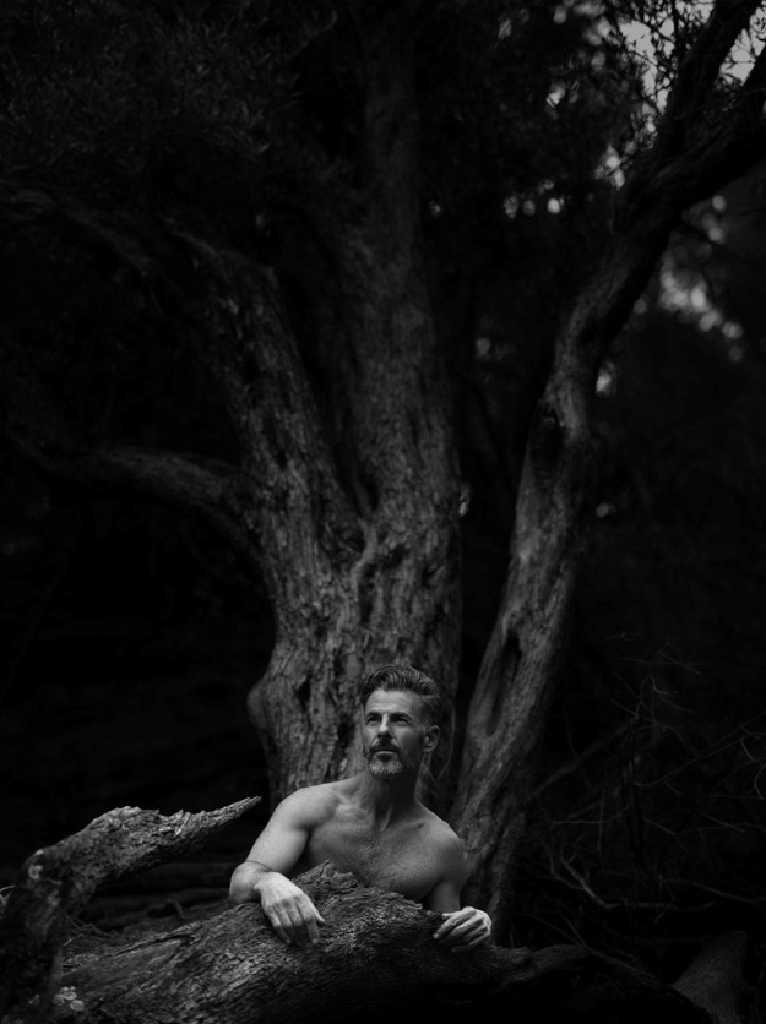

In the depth of the tree,
Vratko Barcik,
60 x 75
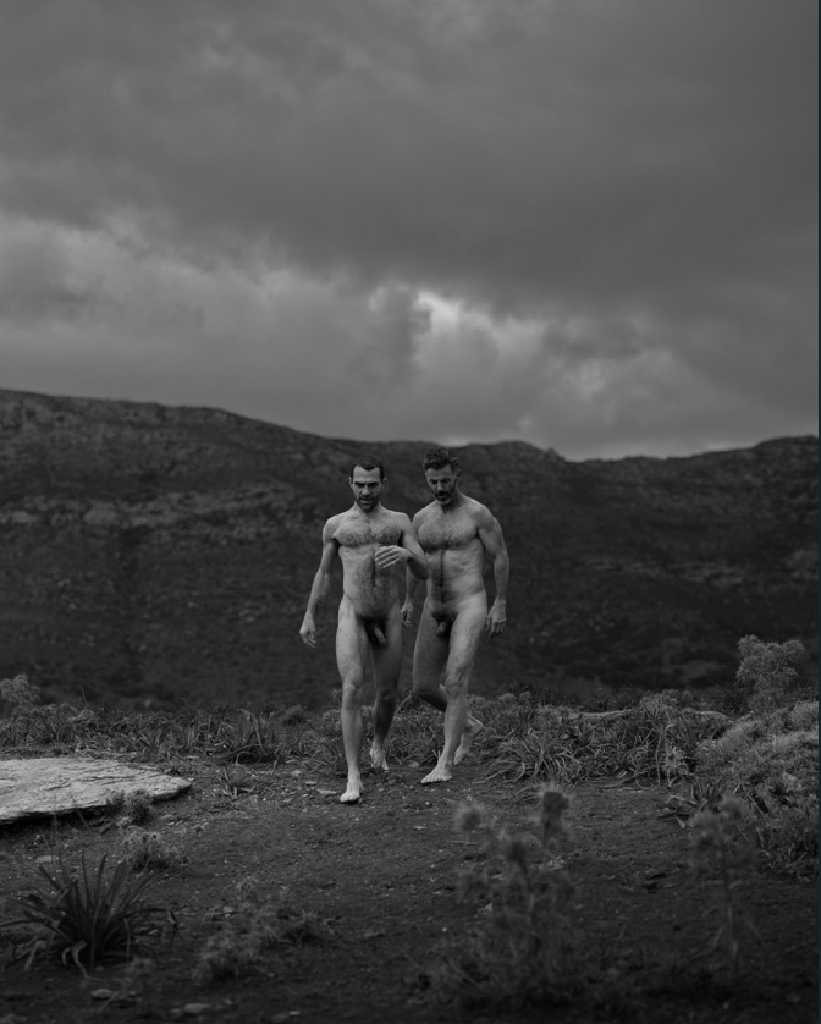

Balance for two II,
Vratko Barcik,
60 x 75